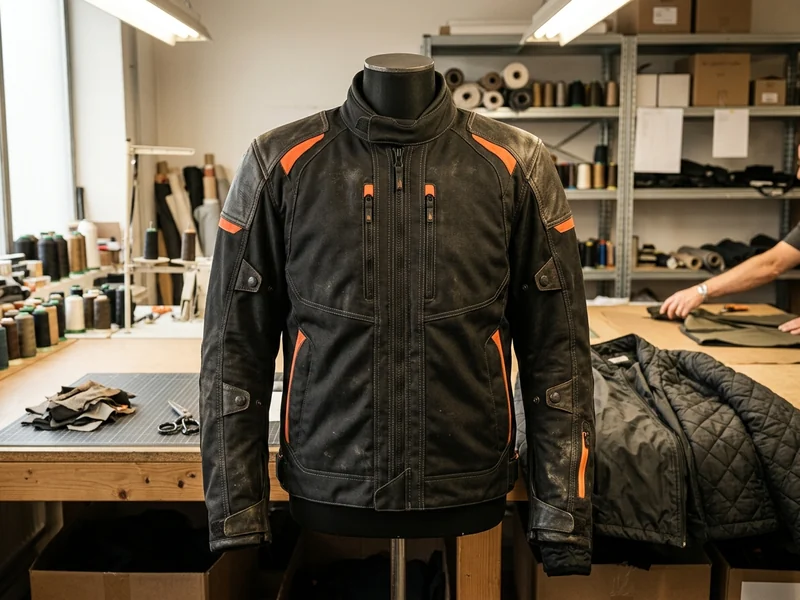
3-in-1 Modular Touring Jackets
For all-season, long-distance touring.
- Outer touring jacket as the base shell
- Removable waterproof layer
- Removable thermal layer
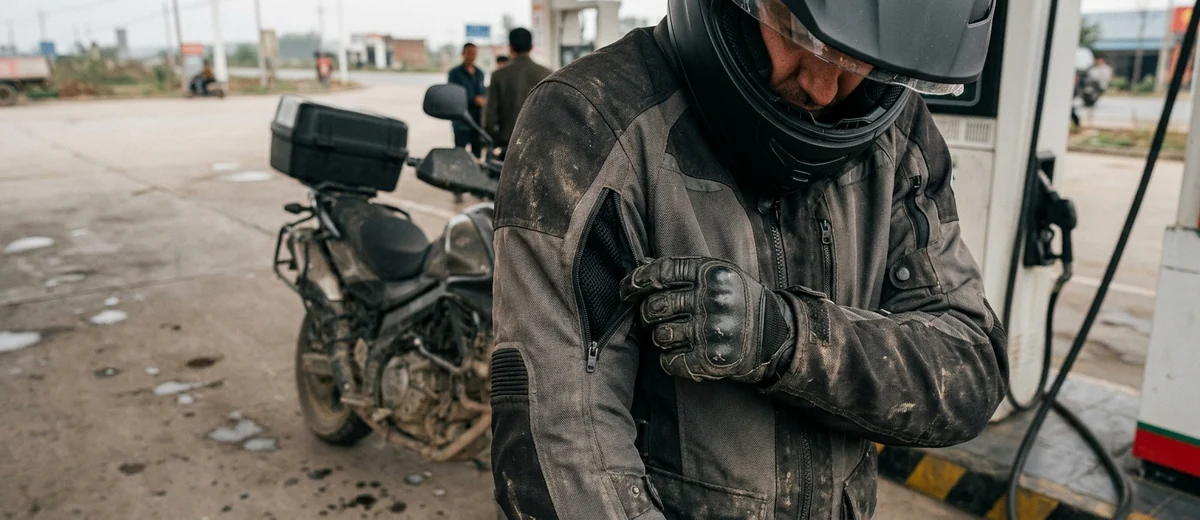
Cold start, hot afternoon, rain by five. An adventure touring jacket from Run Moto Apparel is built for that day: a 600D or Cordura-type shell with a waterproof membrane laminate, zip vents at chest, back and arm, a removable thermal liner and CE-armor pockets at shoulder, elbow and back.
 06:00 Cold startLiner in · vents closed
 13:00 Hot afternoonLiner out · vents open
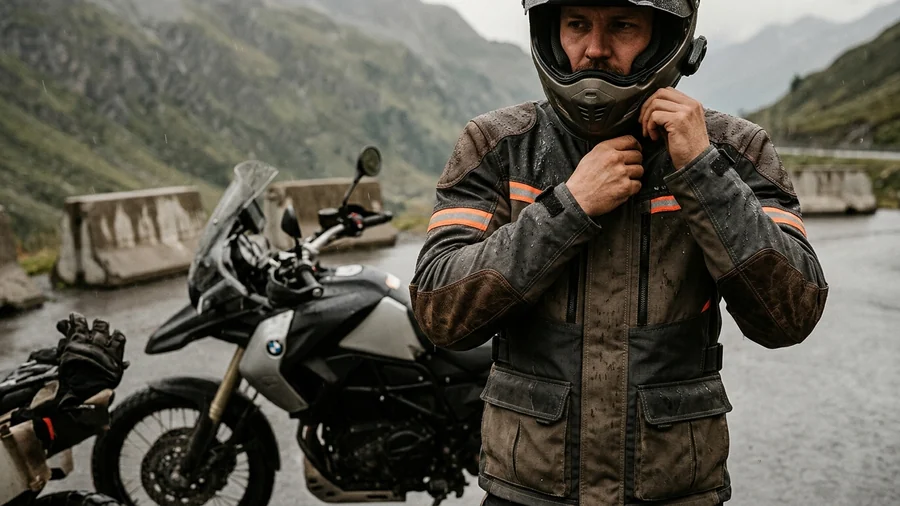 17:00 RainFlap sealed · membrane
Develop adventure motorcycle jackets for all-season touring, wet weather, hot climates and mixed on-road/off-road riding.
For all-season, long-distance touring.
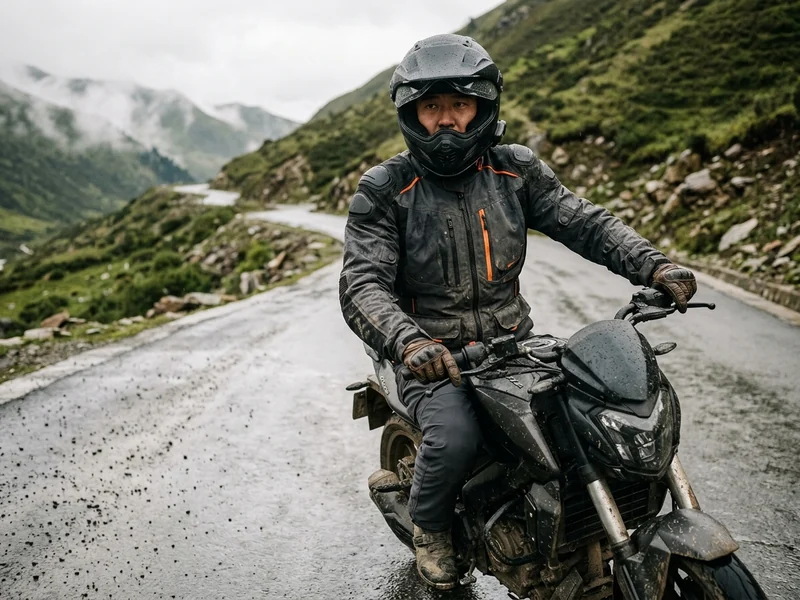
For rainy regions and long-distance travel.
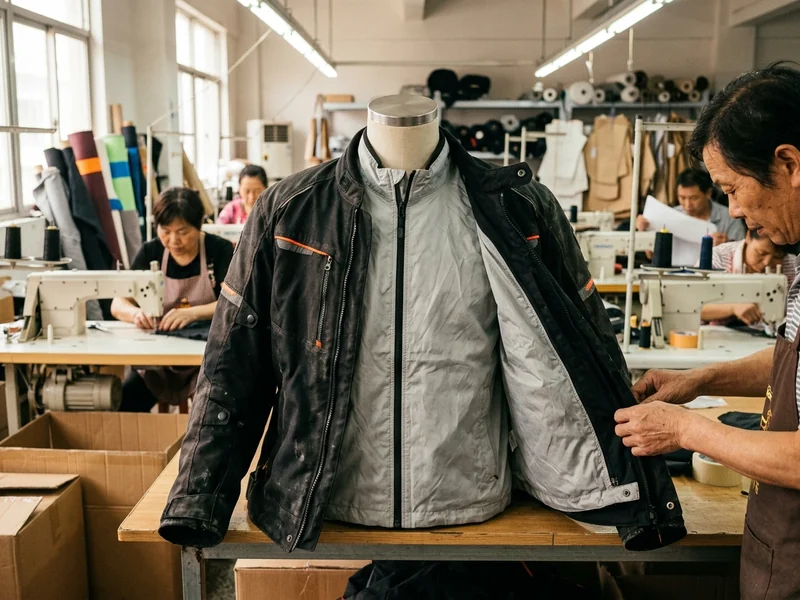
For riding days when the weather changes along the route.
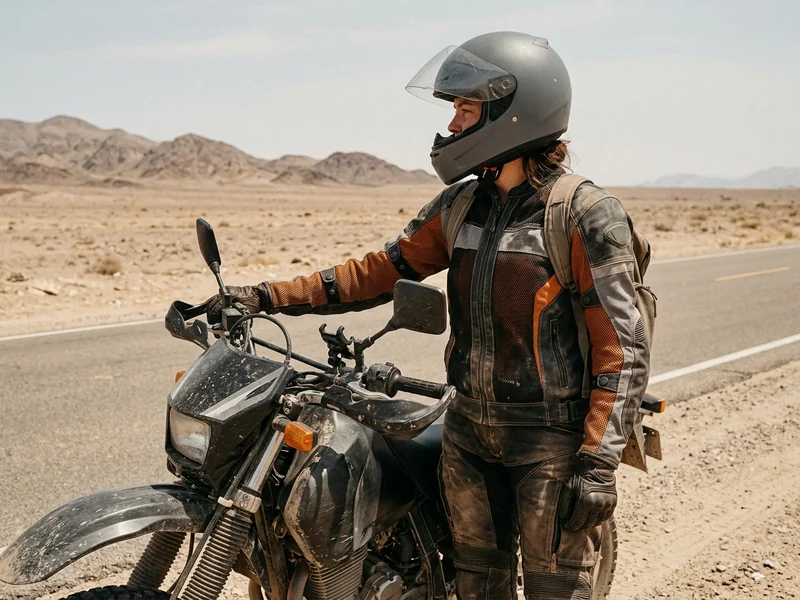
For hot regions and summer adventure riding.
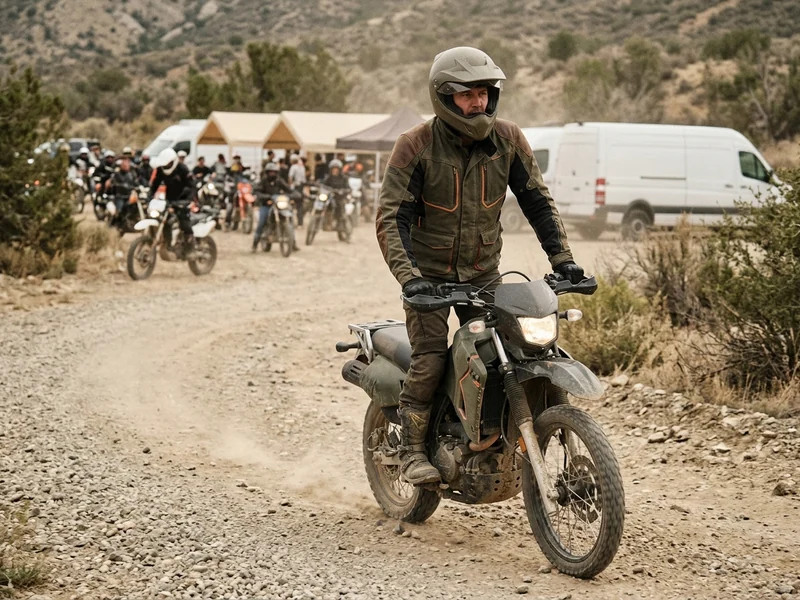
For mixed on-road and unpaved riding.
Four buyers who ride long days in changing weather, and one this page is not for.
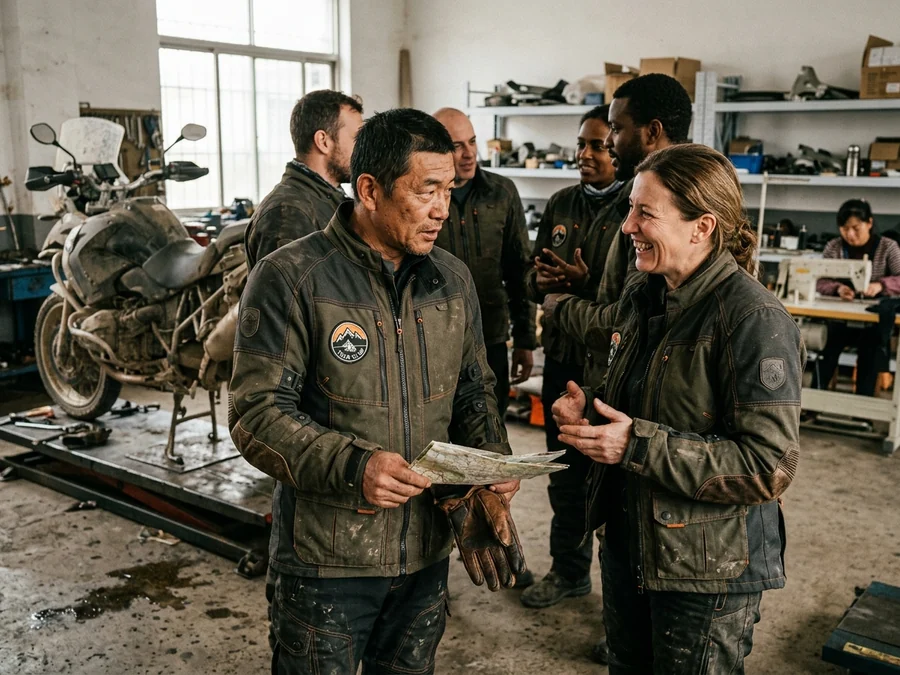
A club jacket in the club colors with the badge embroidered, ordered in a size run so every member rides in the same shell.
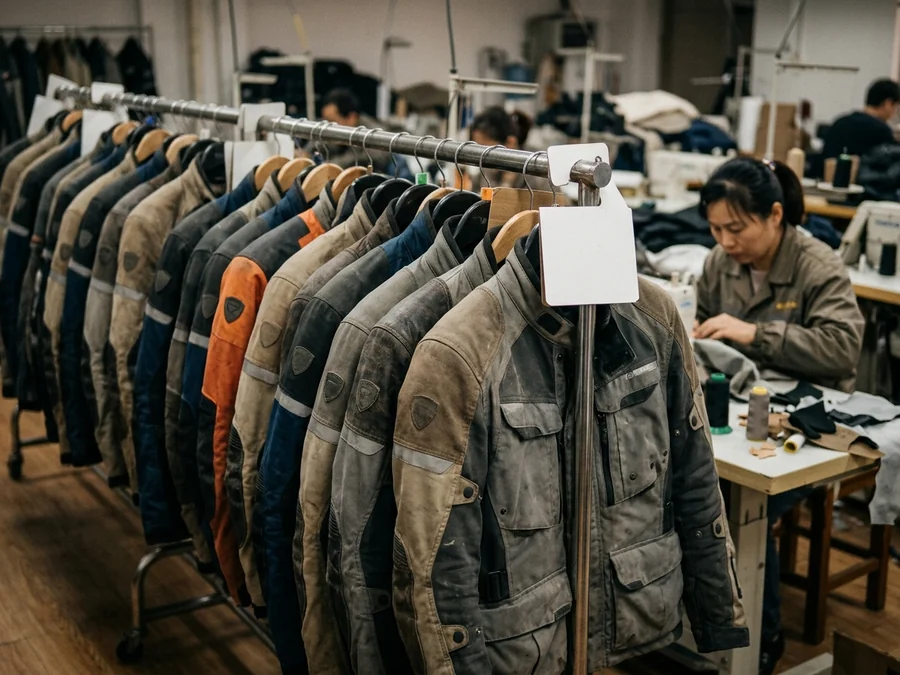
A fleet of jackets that goes out with the bike, in sizes from S to 4XL, washed between tours, with the liner and the armor checked back in.
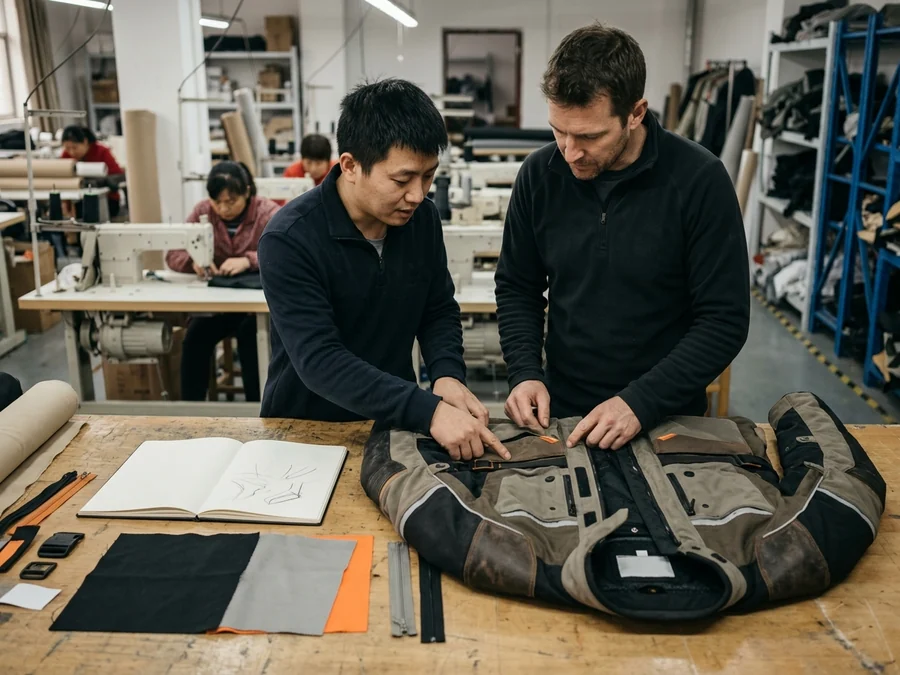
A touring line developed from your tech pack or a reference jacket, on a base block your other SKUs can share, produced from 50 pieces per style.
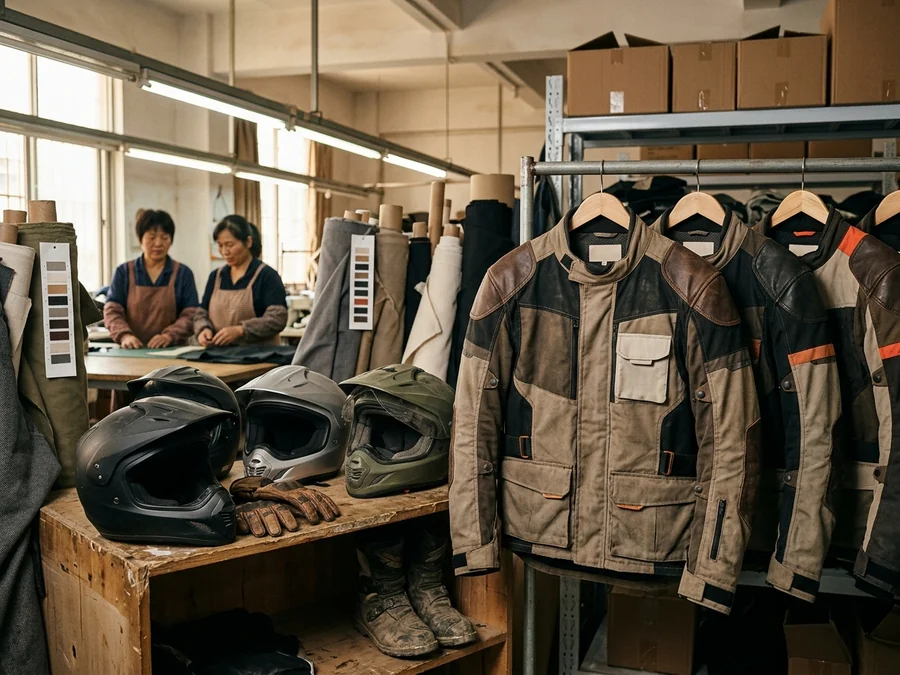
An own-label touring jacket in store colors, sized for your market, to sit beside the helmets.
Shell, liner, armor and length; the colorway and the badge come after these
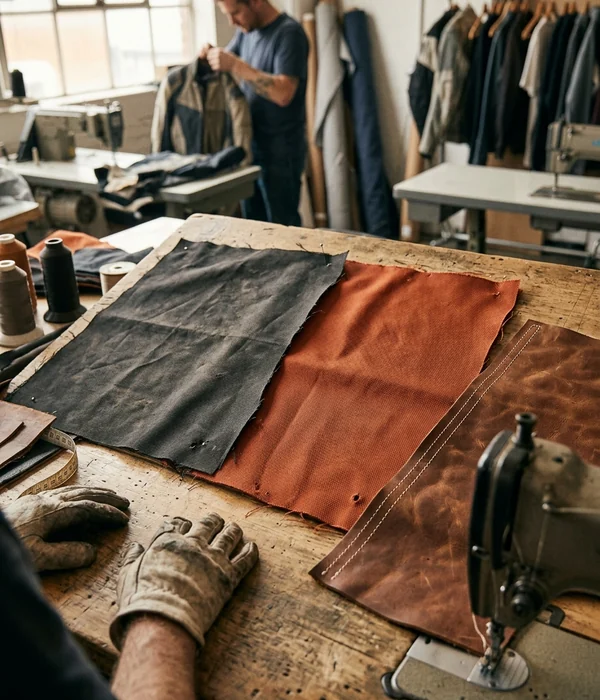
600D polyester is the standard touring shell and takes color well. Cordura-type nylon is the harder-wearing shell for adventure riding off the tarmac.
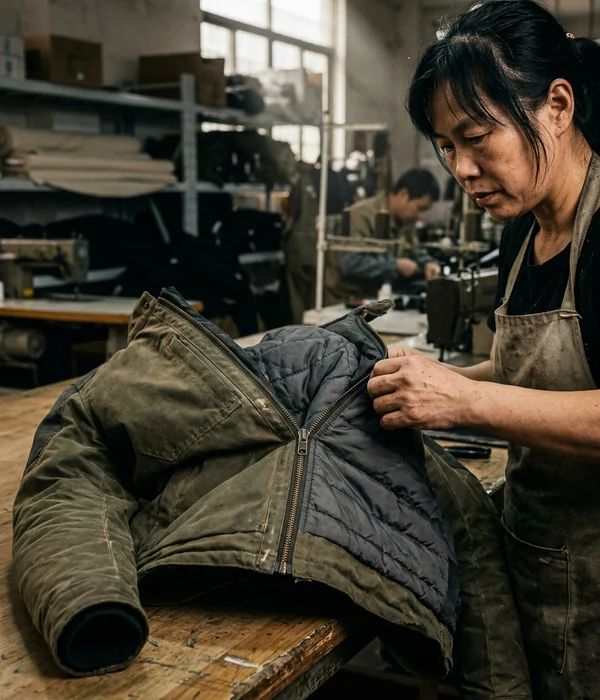
The removable thermal liner turns one jacket into a three-season jacket. Shell only is the summer-market version, with the membrane still in.
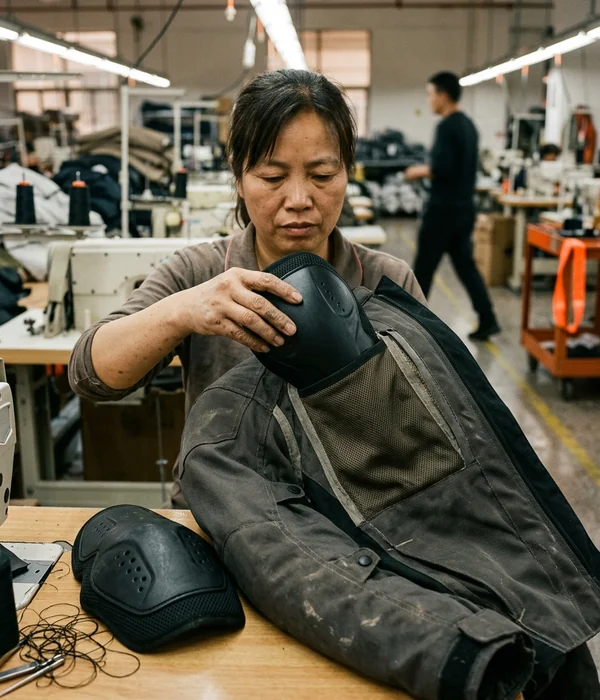
Pockets fitted with armor ships a ready-to-ride jacket; pockets empty lets a brand fit the armor it already stocks.
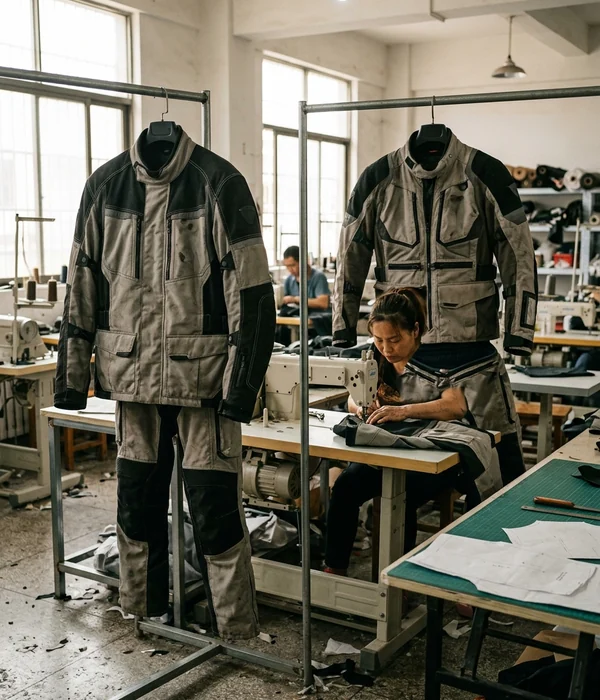
The touring length covers the hip and the top of the pant; the adventure length is shorter and sits over adventure pants with a connection zip.
The reference table for a custom waterproof motorcycle jacket; the four decisions above tell you which row matters
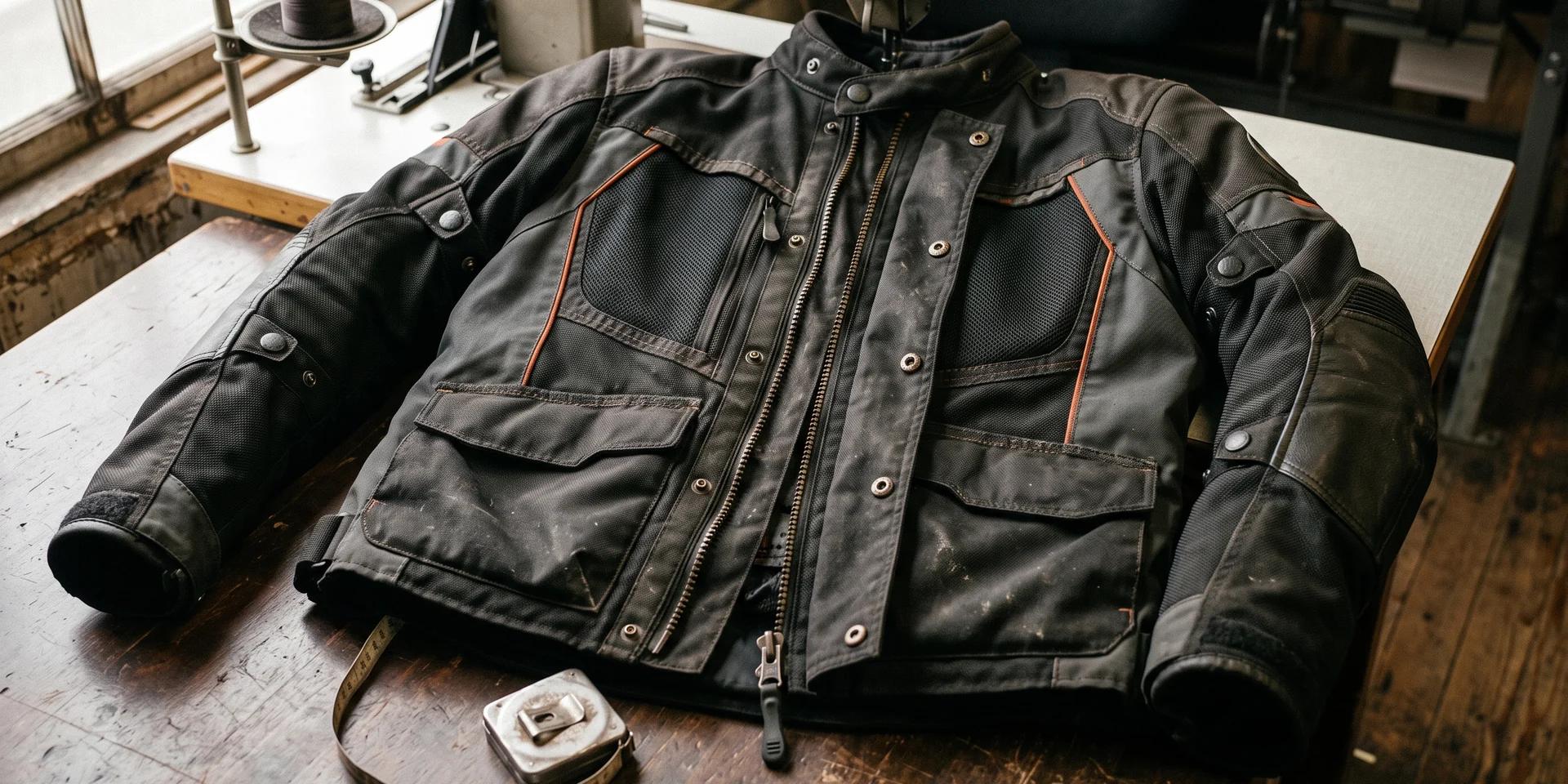
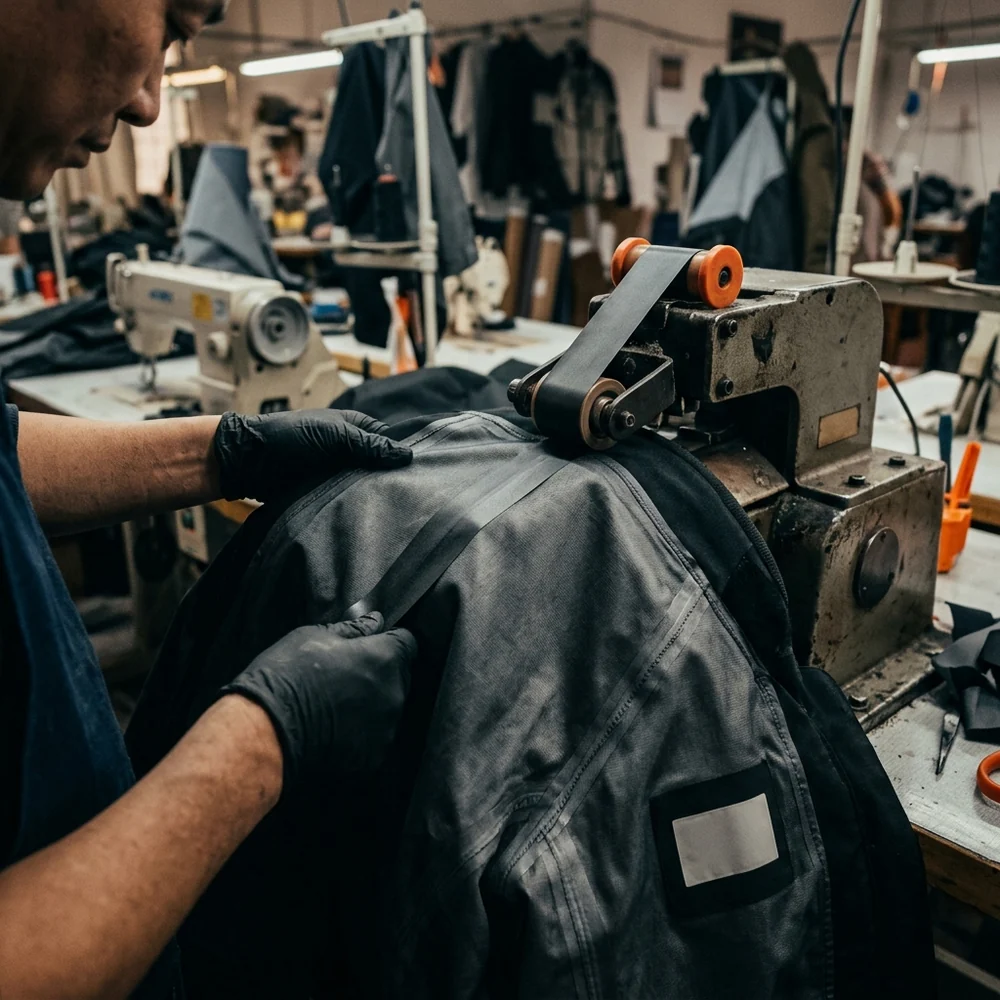
A waterproof membrane keeps water out of the fabric; the jacket keeps water out of the rider, and those are two different jobs.
Not through the fabric. Water does not come through the fabric of a laminated jacket; it comes in at the openings. Each of the five is closed a different way, and the closures are the part of the jacket a buyer can check without a lab.
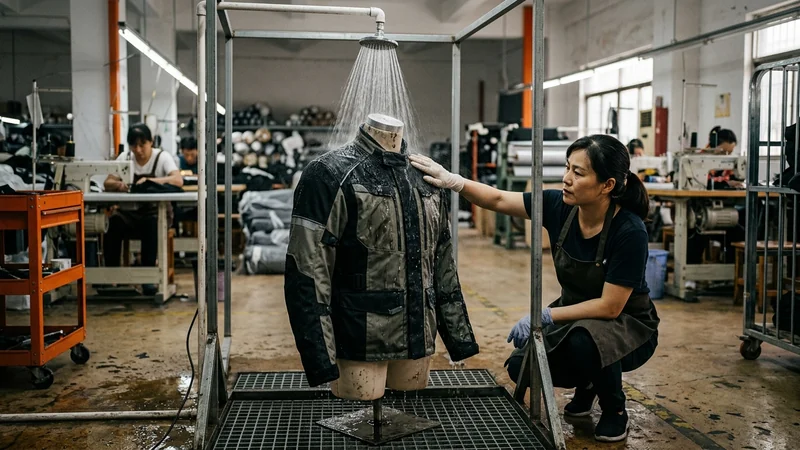
A needle hole is an opening too. Behind those closures, every seam in the shell is taped on the membrane side. The taping is checked before the liner goes in, when the inside of the shell is still visible.
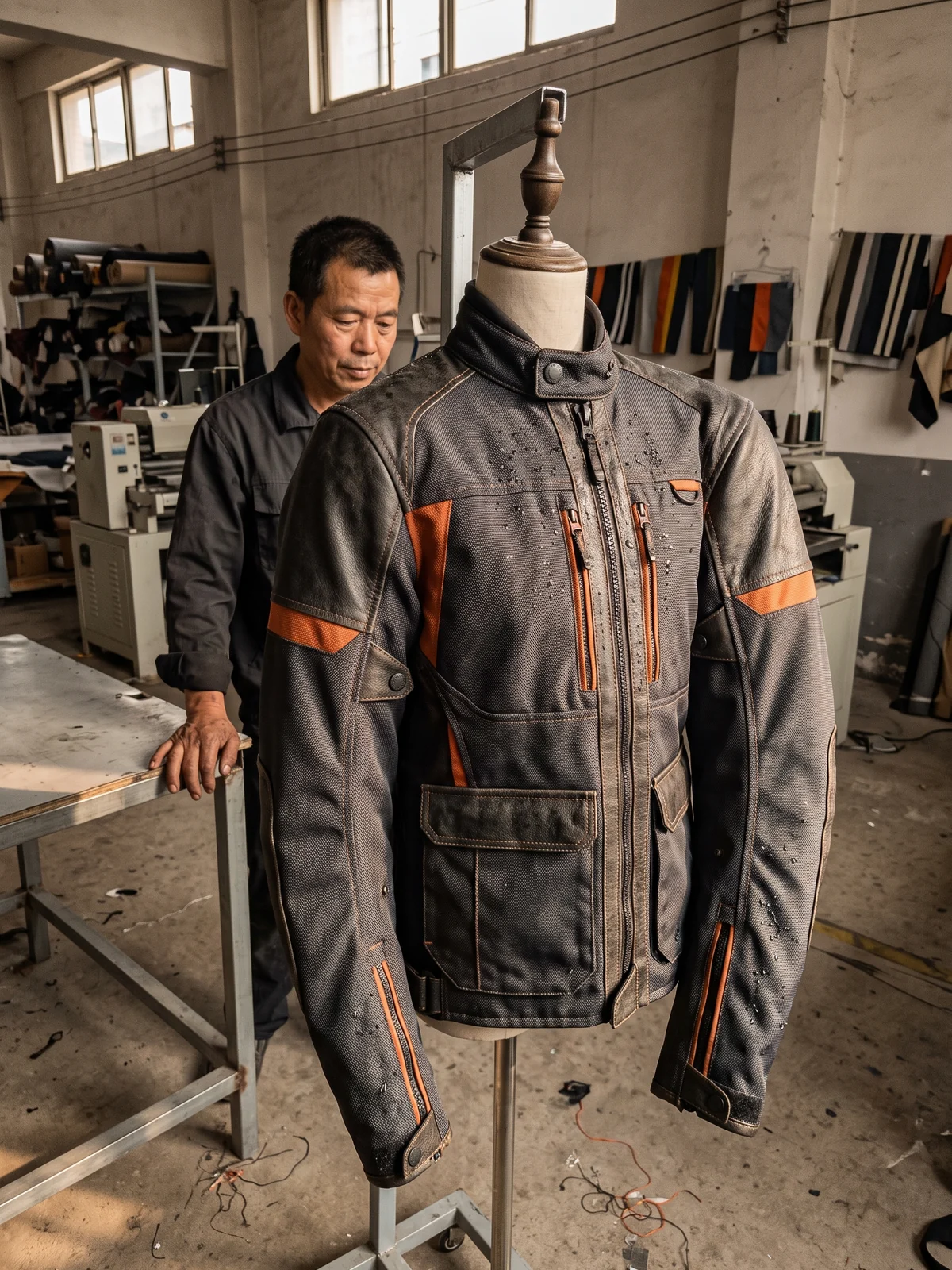
Same jacket lines, different rides; each row links to its page
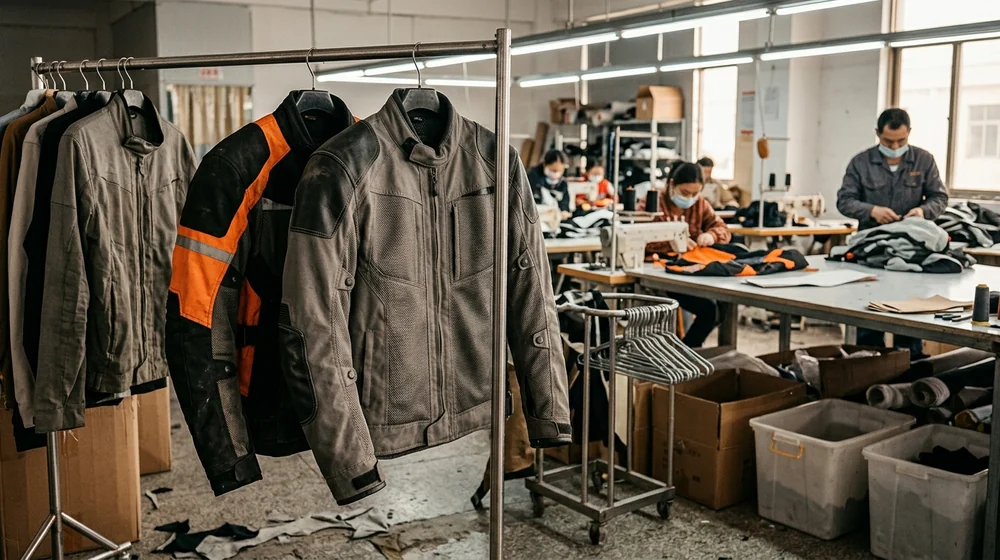
| Page | Built for | What is different | Link |
|---|---|---|---|
| ADV touring jacket | Long days, changing weather | Membrane laminate, vents, removable liner, armor pockets | This page |
| Custom motorcycle jackets | The brand line | Textile and leather, no membrane | Motorcycle jackets |
| Summer mesh motorcycle jacket | Hot weather | Mesh shell, no membrane | Summer mesh jacket |
| Waterproof riding gear | Rain layers | Over-jackets, over-pants and rain layers | Waterproof riding gear |
| Enduro riding gear | Off-road days | Jersey and pants, no membrane | Enduro riding gear |
The membrane keeps water out of the fabric. The closures keep it out of the rider.
Eight parts across the shell and the liner; the branding is on the chest, the sleeve and the back, never over a vent. The dark tiles are the two the rider works on the road.
Pick a time of day. Orange dashed = thermal liner; black bars = zip vents; centre bar = storm flap.
The touring jacket is a system, not a shell; the vents and the liner are the two controls the rider has
Three states, one shell. Cold start: liner zipped in, vents closed, collar sealed. Hot afternoon: liner out and packed, chest and arm vents open as intakes, back vents open as exhausts, so air moves through the jacket instead of sitting in it. Rain: liner in or out as the temperature says, vents closed, storm flap and collar sealed, and the membrane does the rest. All three are reachable on the road, with gloves on, without taking the jacket off except to remove the liner.
Built for gloved hands. This is why the vents are zips with pull tabs a gloved hand can find, why the liner zips in at the collar and cuffs rather than buttons, and why the vent positions are set on the riding form: chest intakes where the wind hits the rider, back exhausts where the air leaves.
Each variant has a ride it fits; pick from the pairs or send us the tour and we pick with you.
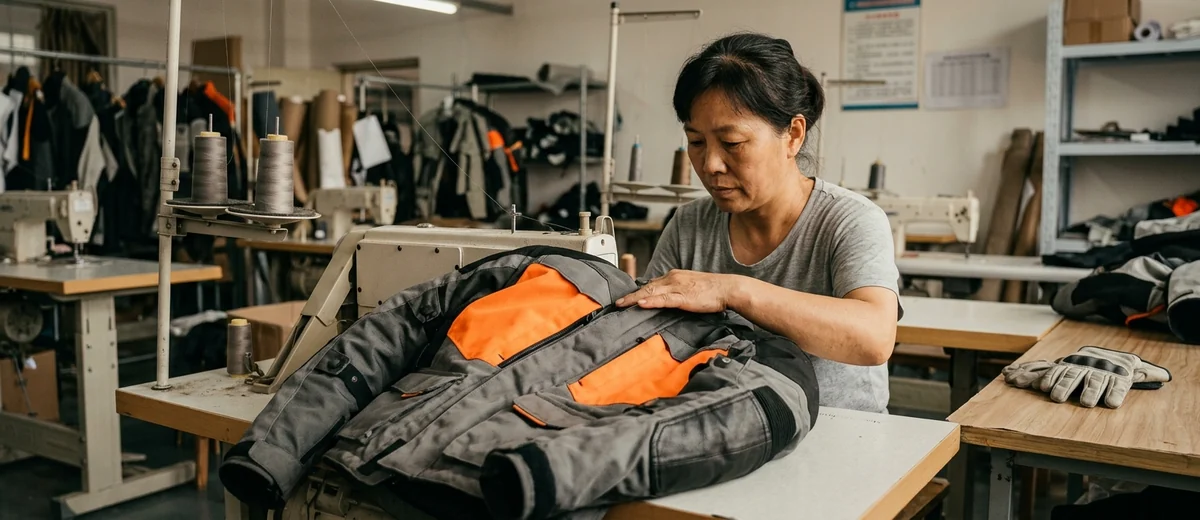
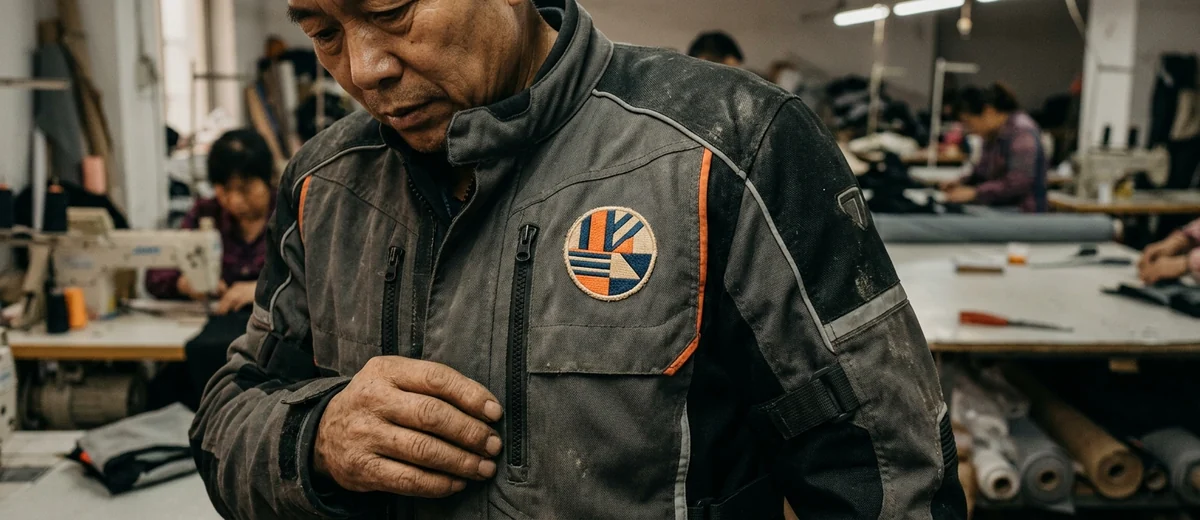
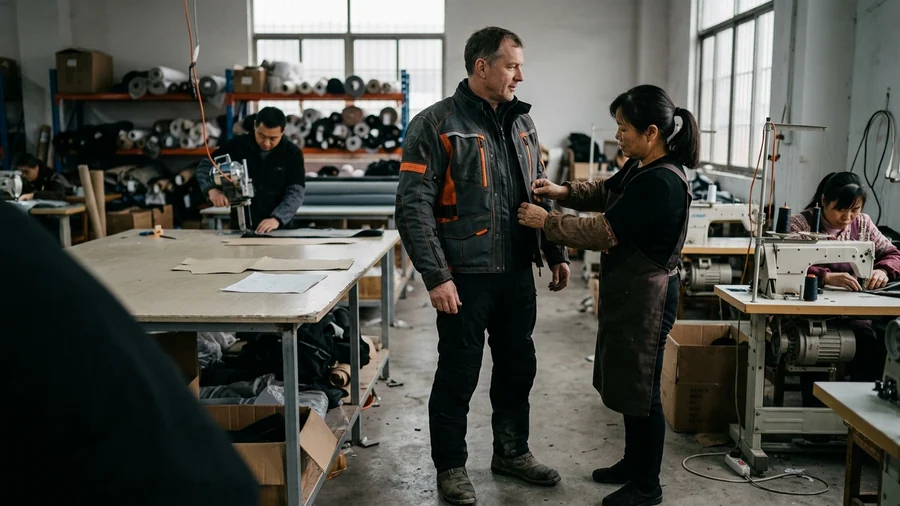
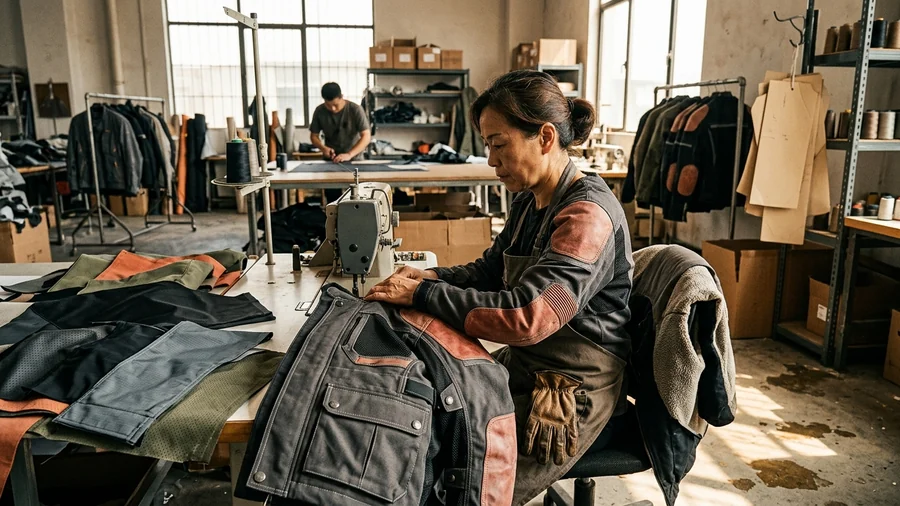
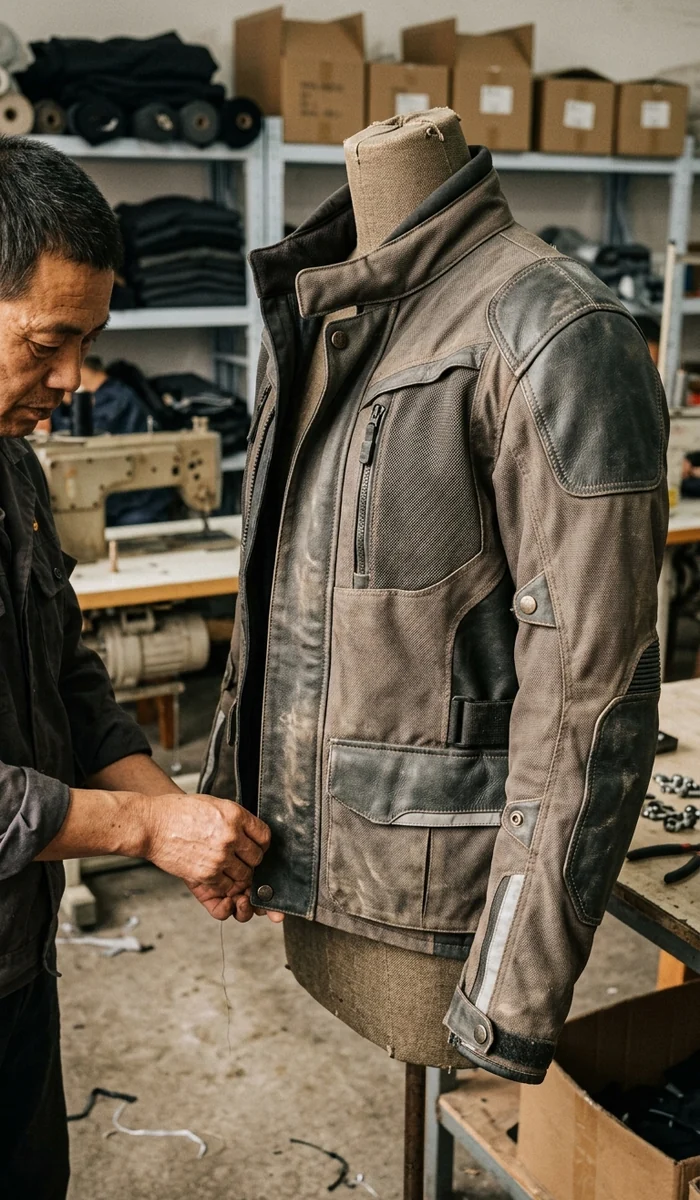
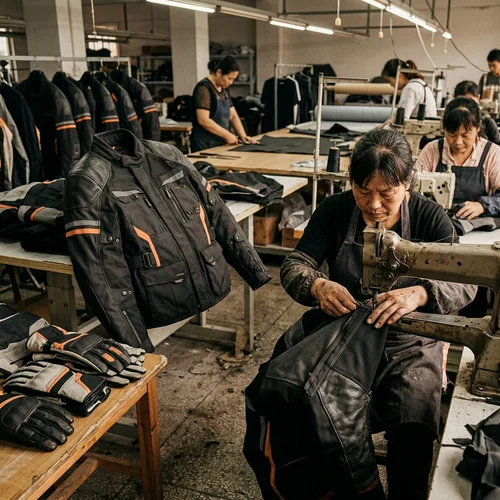
From the tech pack or the club roster to the packed jacket; each station hands a checked result to the next.
The brand's tech pack read, or the club's size run and badge file collected.
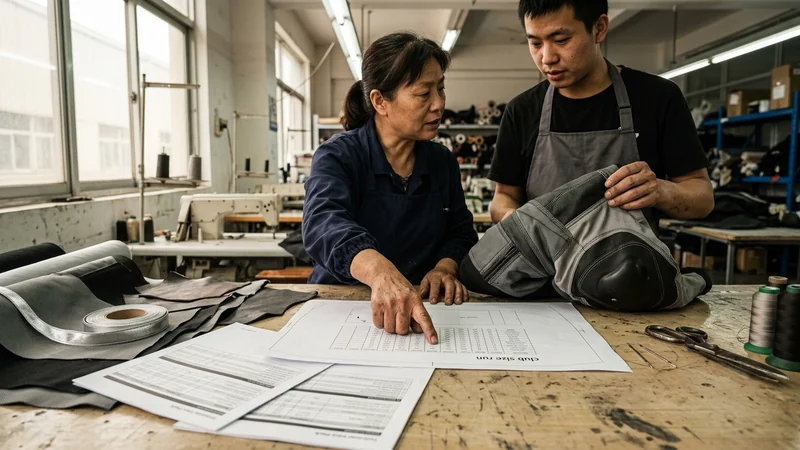
Base block set for the length; badge and logo placement drawn on the pattern.
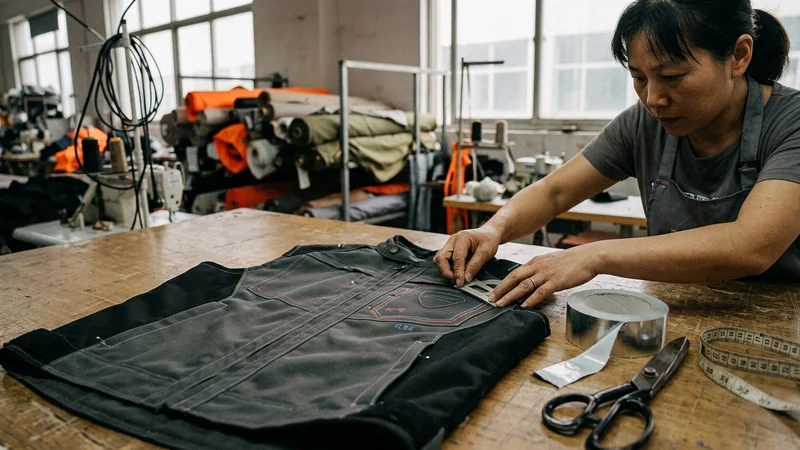
Shell panels cut; membrane laminate checked before sewing.
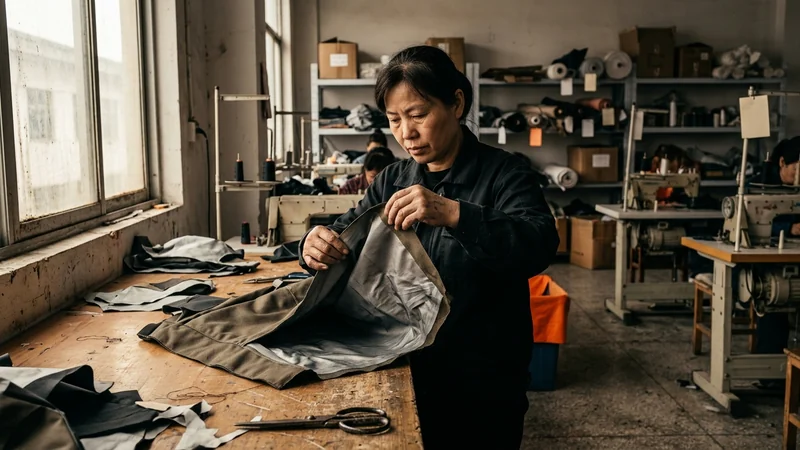
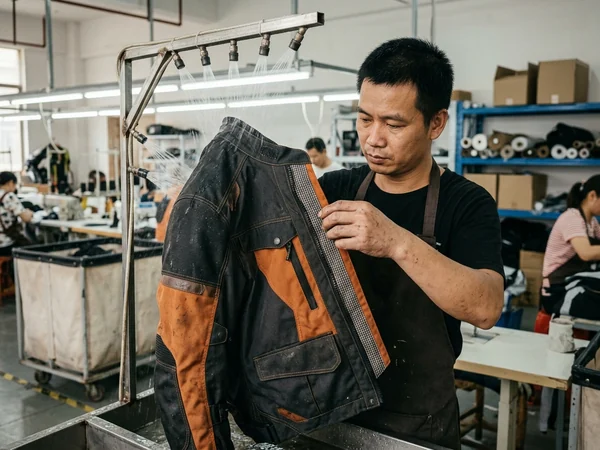
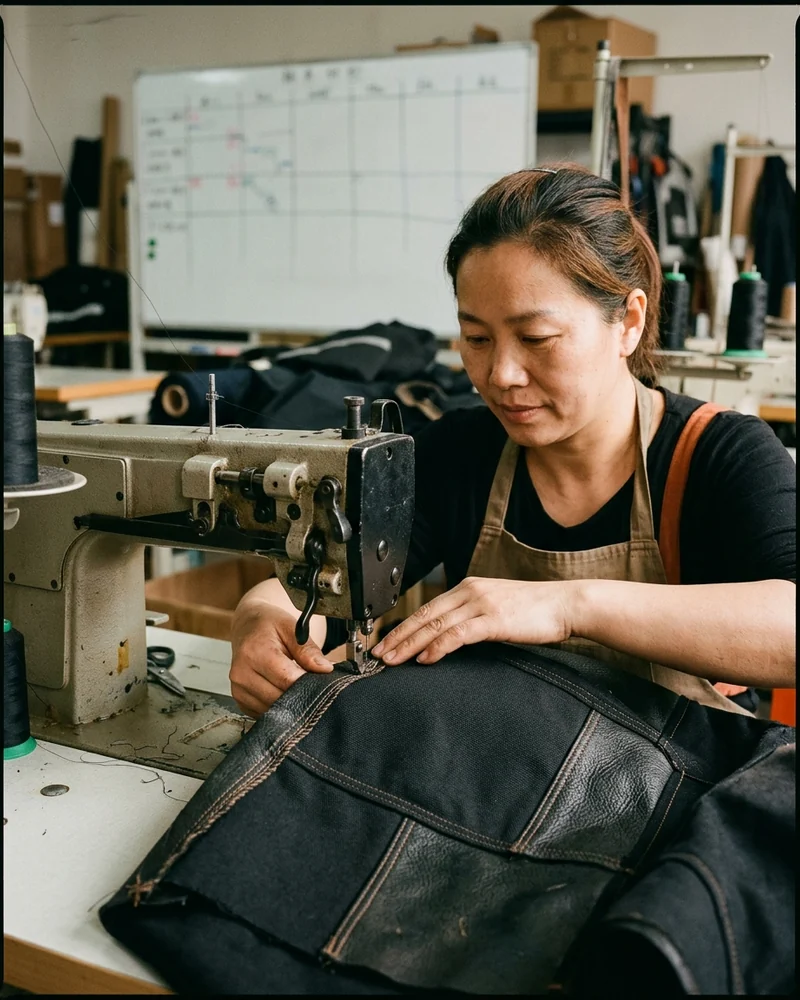
Shell sewn; seams taped on the membrane side.
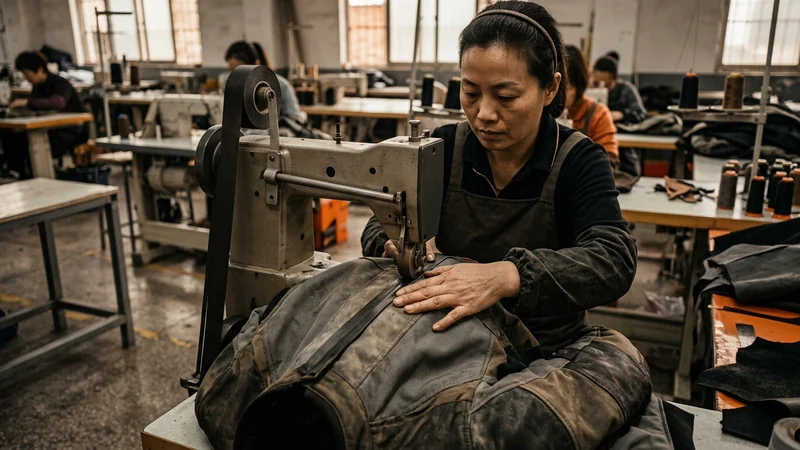
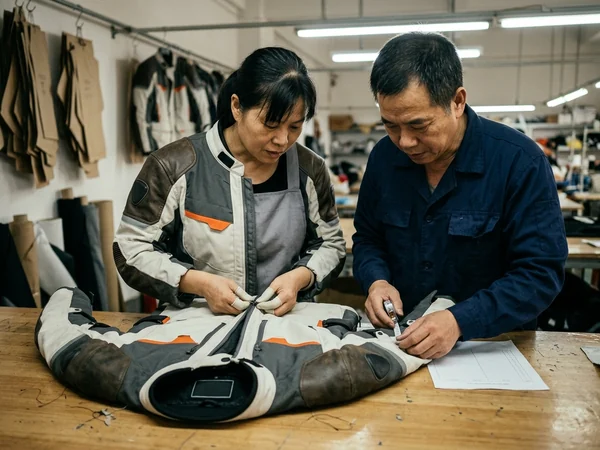
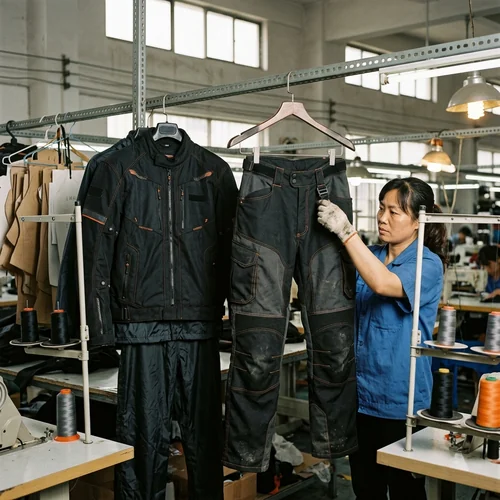
First of each size on the form under the rig; vents, liner and armor across sizes; every jacket checked.
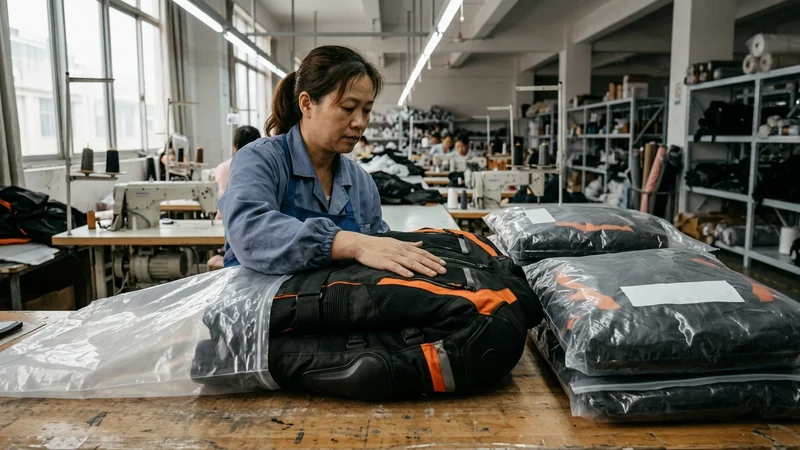
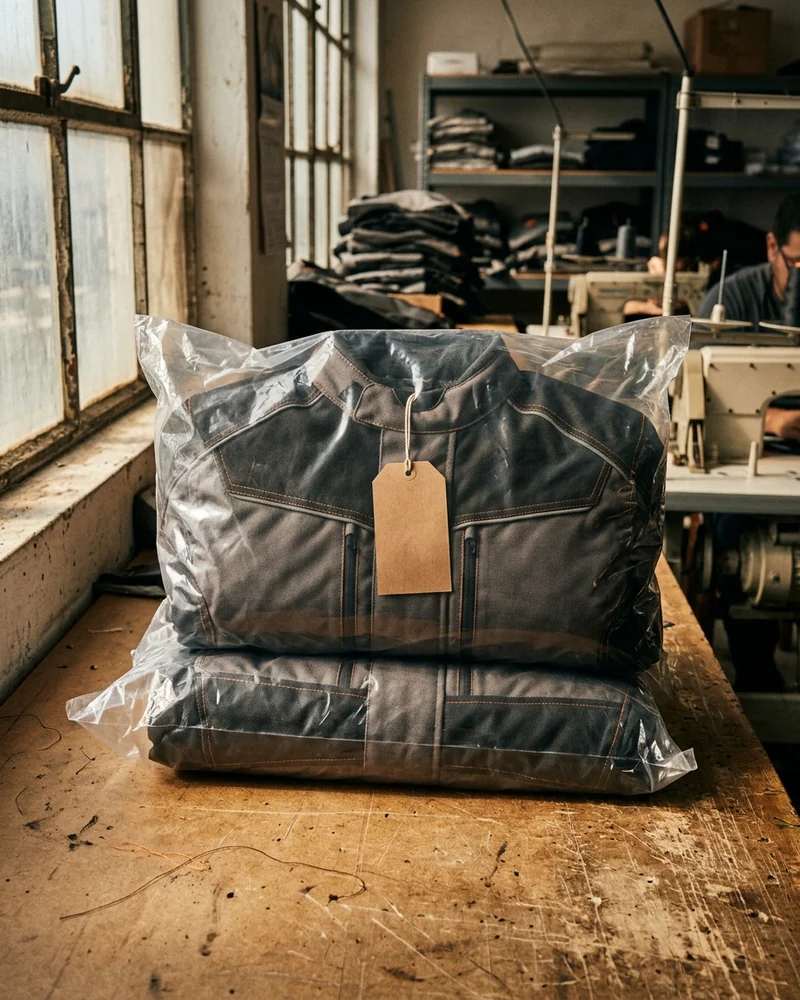
Liner in, armor in, bagged with your hangtag, packed by size.
A touring jacket is sized with the liner in and the arms on the bars; a jacket that fits standing up rides short in the sleeve
Sized for the cold start. The size run is set with the thermal liner zipped in and a mid-layer under it, because that is the state a rider buys the jacket for. Sleeve length is measured with the arms forward on the bars, not hanging, so the cuff still covers the glove when the rider is riding. The armor pockets are positioned for that same forward position, so the elbow armor sits on the elbow when the arm is bent.
Try it on the bike. Before bulk, a size-run set goes out so the club or the brand can try the sizes on the bike, liner in, gloves on. The signed size sheet then travels with the order through cutting, sewing and packing.
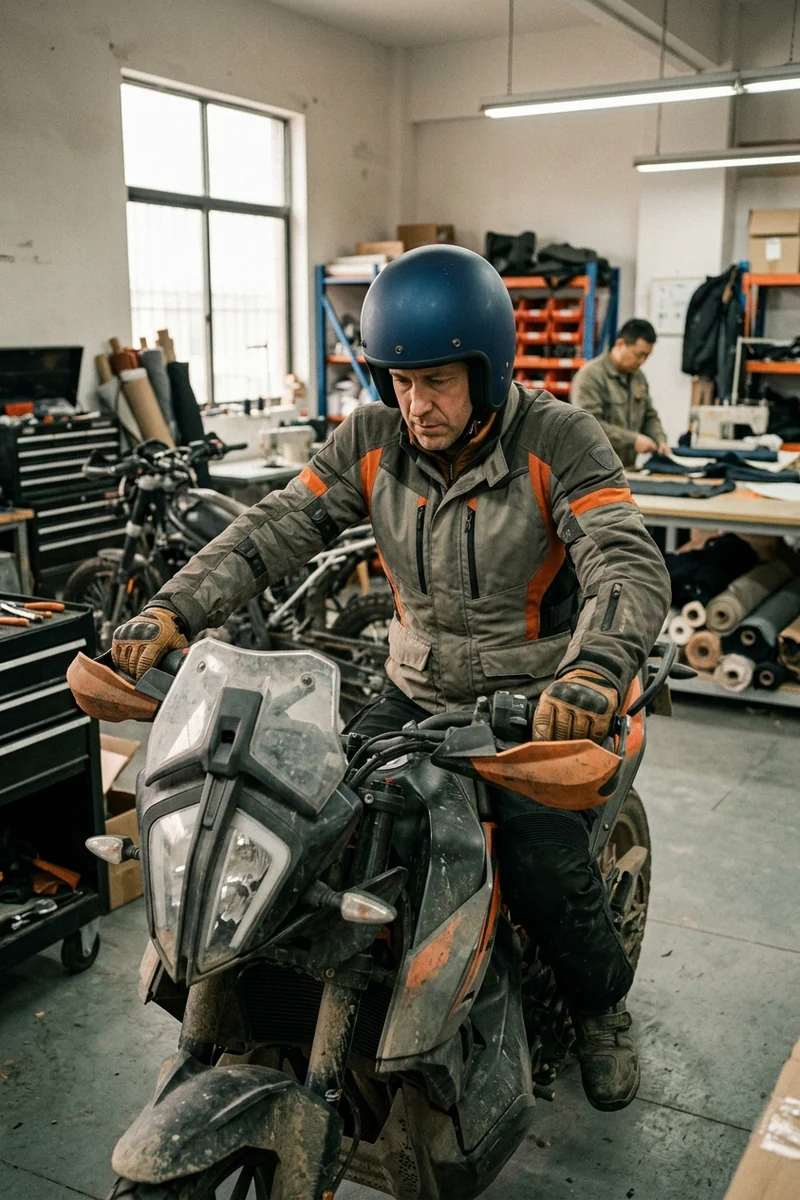
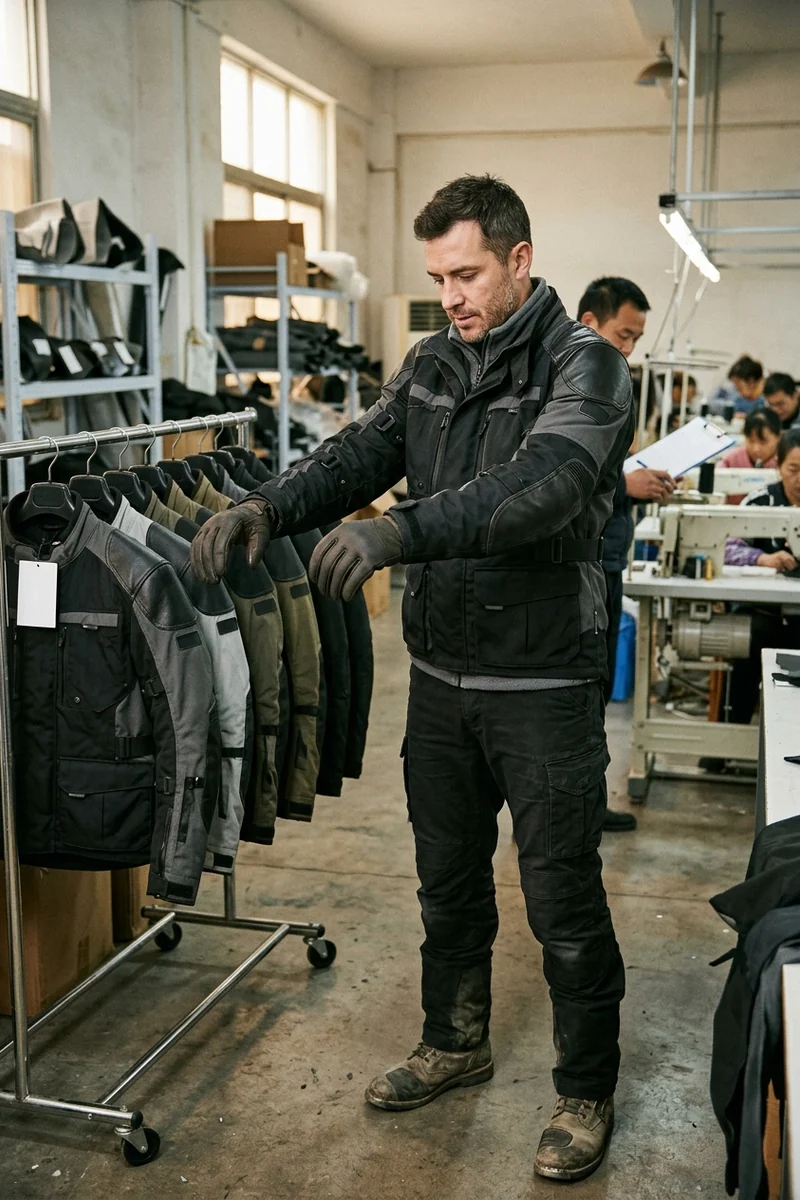
Five checks a club officer or a brand buyer can do on the bike, without us there.
Sample on a form, everything closed; dry inside at the zip, collar, cuffs and pockets.
Every vent opens and closes with a gloved hand; back exhausts open into the jacket.
Liner zips out and back in at the collar and cuffs; the shell still fits with it out.
Arms on the bars, the elbow and shoulder armor sit on the joint, not behind it.
In the position on the approved layout, embroidery clean on the back side.
One sales manager owns the order from the first message to the 7-day post-delivery window.
Changes before layout approval cost nothing; the table shows the ones that move the schedule
| Badge or logo change before layout approvalEdit the layout, nothing else moves. | 0DAYS |
| Shell switched between 600D and Cordura-type after samplingNew sample. | 15–20DAYS |
| Liner added or removed after samplingLiner pattern added or dropped; sample repeated only if the fit changes. | LinerPATTERN |
| Armor pockets re-cut for a different armorPocket pattern changed; sample repeated if the placement moves. | PocketRE-CUT |
| Length switched between touring and adventureNew block, new sample. | 15–20DAYS |
| Bulk after sample approvalScheduled backwards from your launch or your first tour. | 25–35DAYS |
A touring jacket ships ready to ride, not as a kit of parts
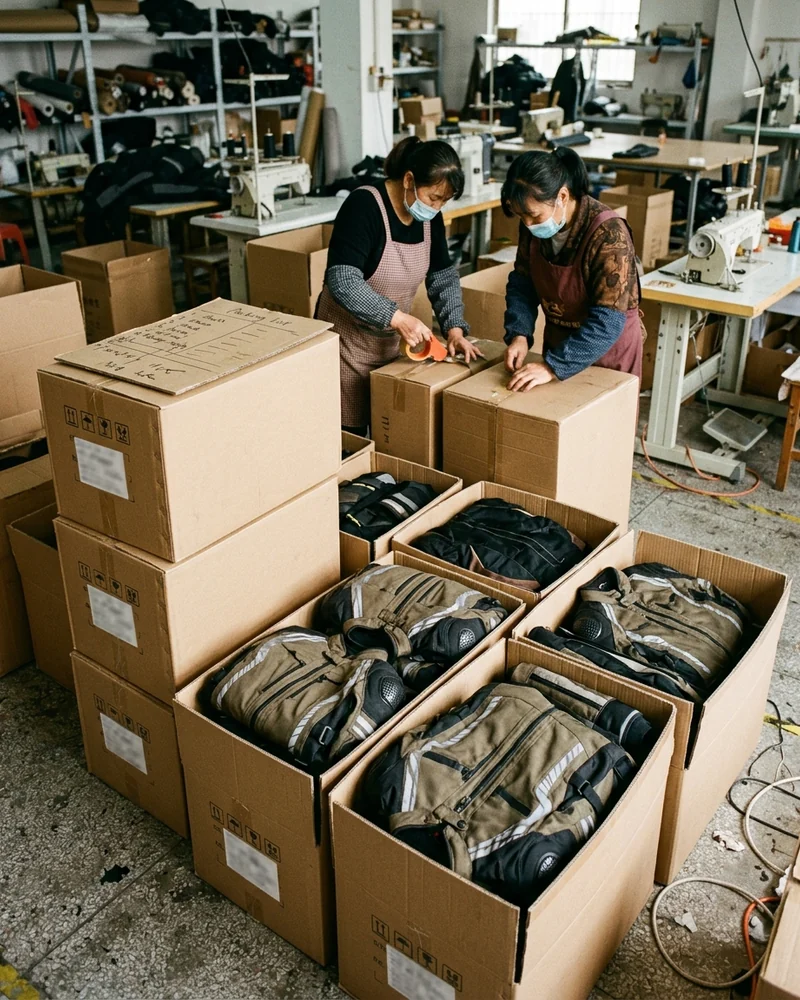
Every jacket is packed with the thermal liner zipped in and the armor in its pockets when fitted, folded, bagged with your hangtag and packed by size.
Send these and Anna answers with a feasibility check within 24 hours

The pieces ordered with a touring jacket, and the process pages behind them

Anna replies within 24 hours on business days with a feasibility answer and the next step. No brochure, no price list; a real answer about your jacket.