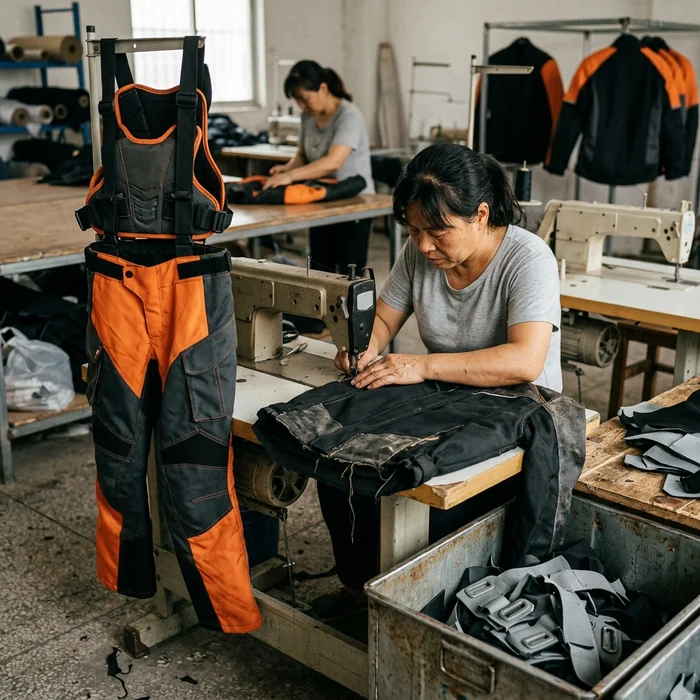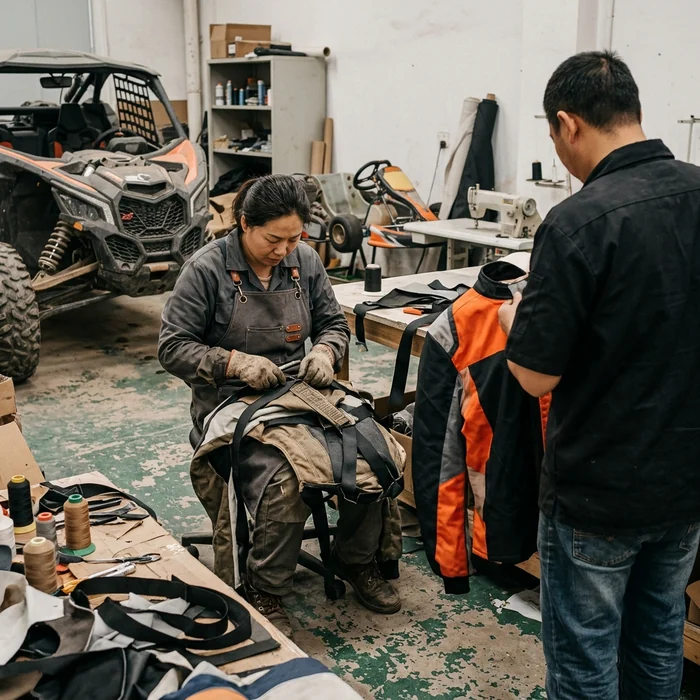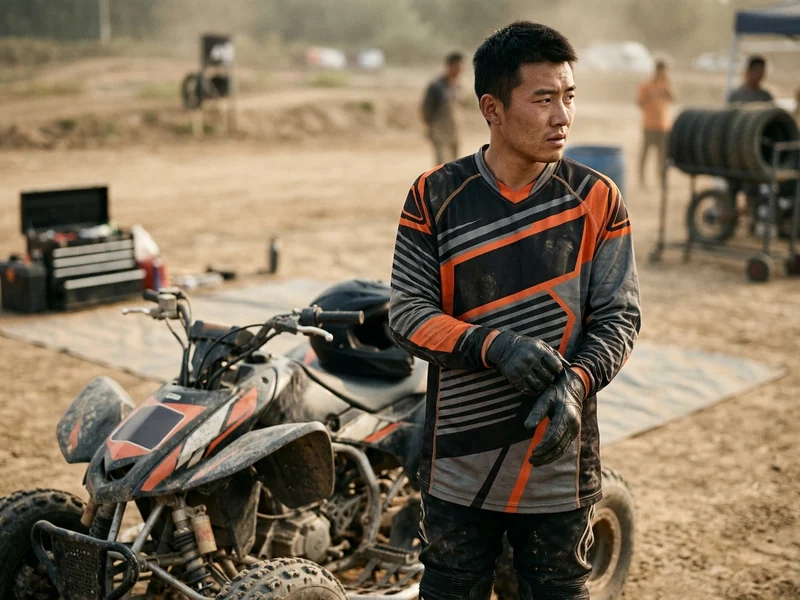
ATV Racing Jerseys
For quad and ATV racing.
- Long-sleeve riding cut
- Breathable fabric
- Full-body sublimated graphics
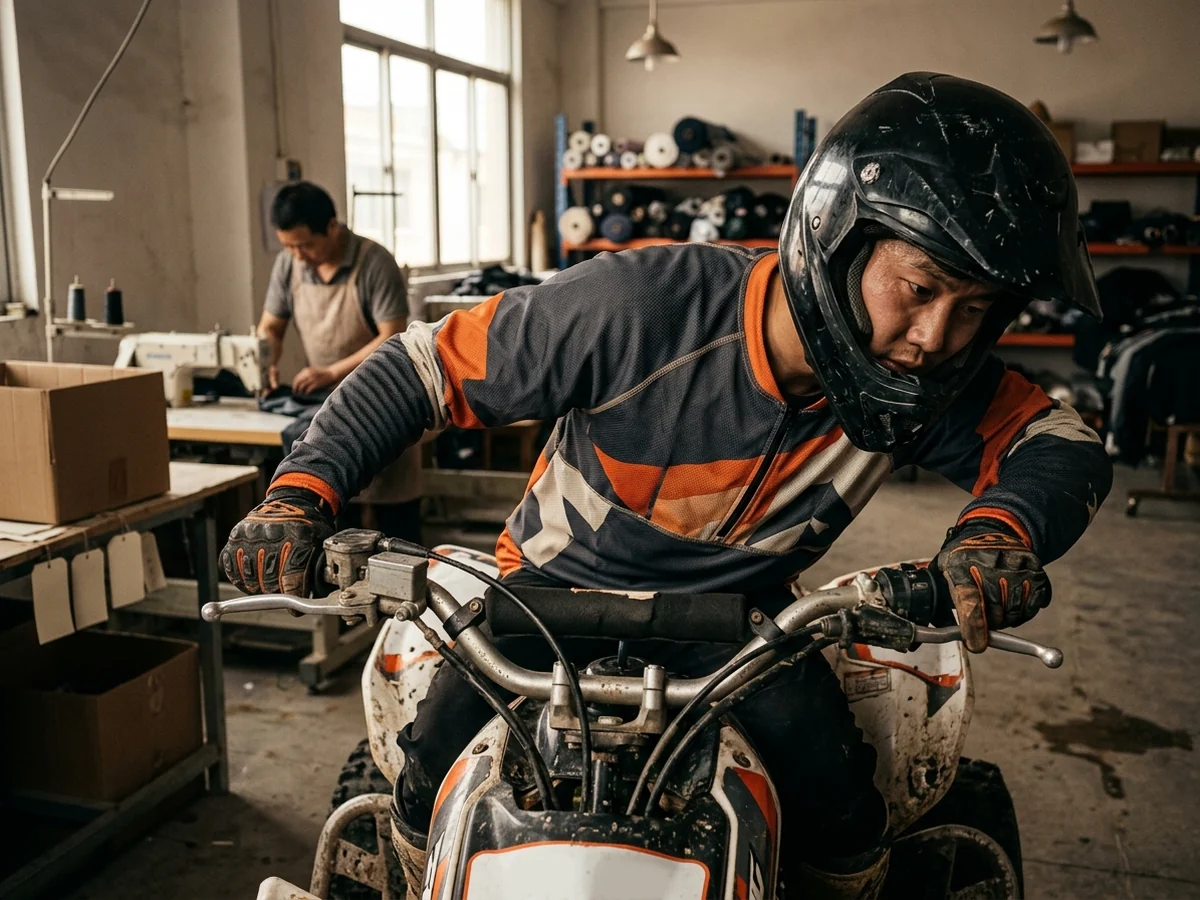
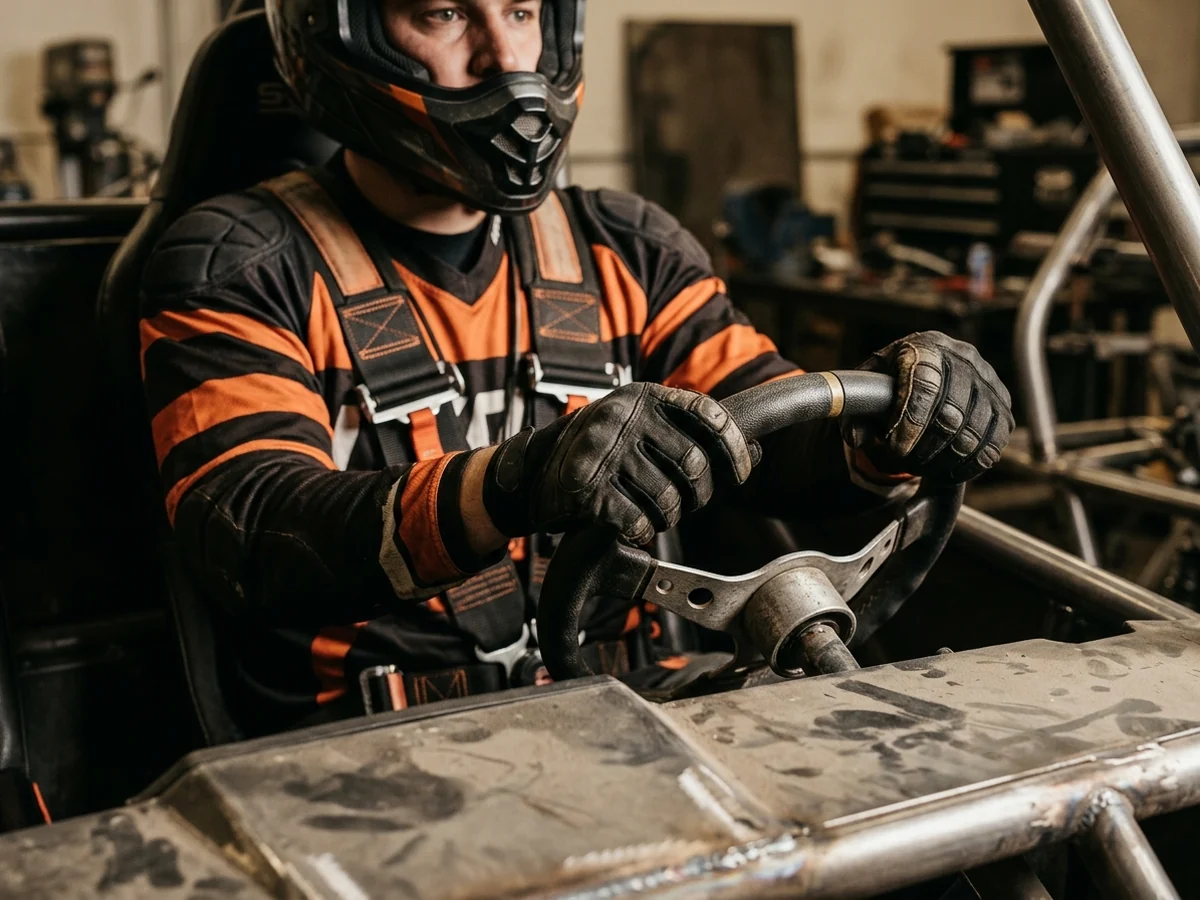
A quad rider and a UTV driver are doing completely different things with their upper body. Selling both of them the same jersey — usually a motocross jersey with different graphics — means one of them is wearing something cut for a bike they are not on.
Custom off-road jerseys developed for ATV racers, UTV drivers and side-by-side teams, with durable fabrics, rider-specific fit and full-sublimation team graphics.
For quad and ATV racing.
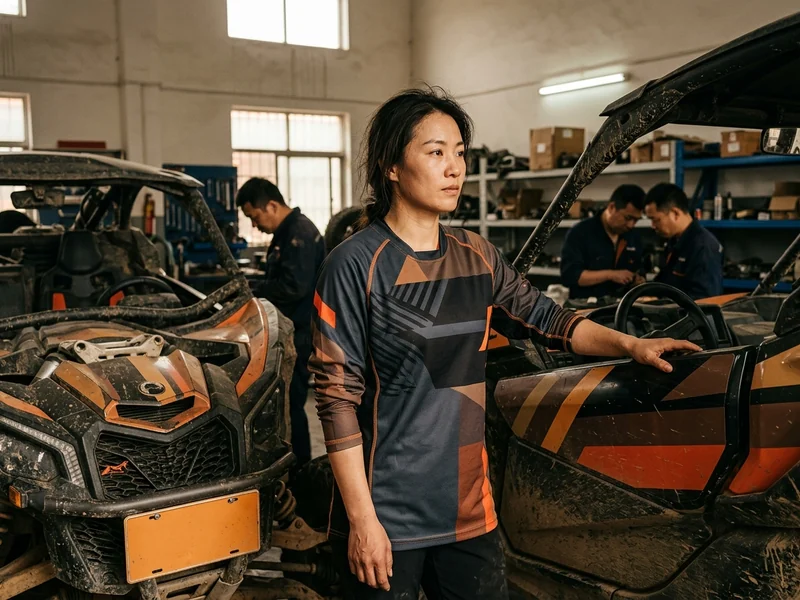
For UTV drivers and side-by-side race teams.
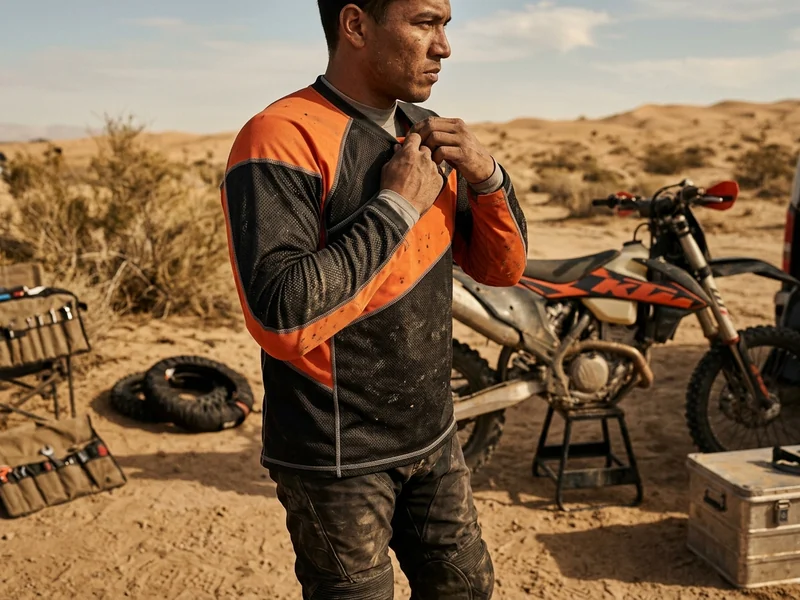
For desert, high-heat and long off-road events.
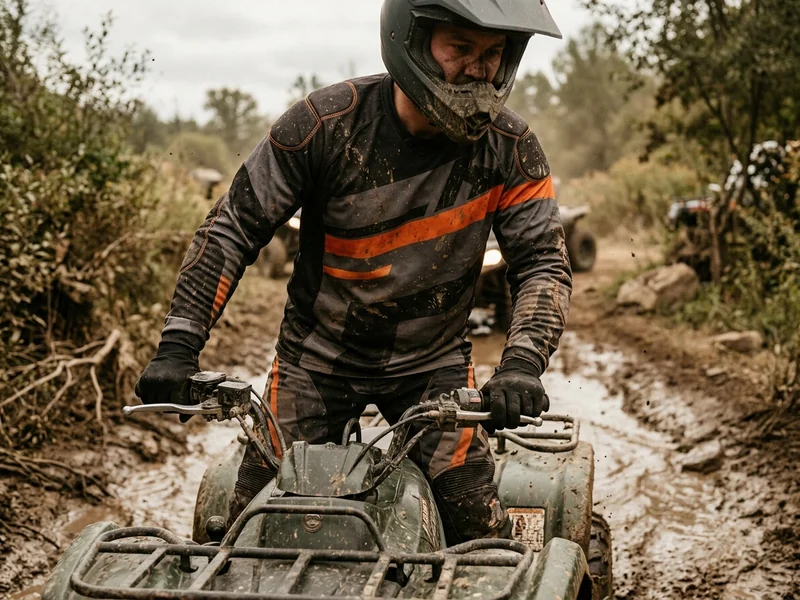
For trails, mud and rough terrain.
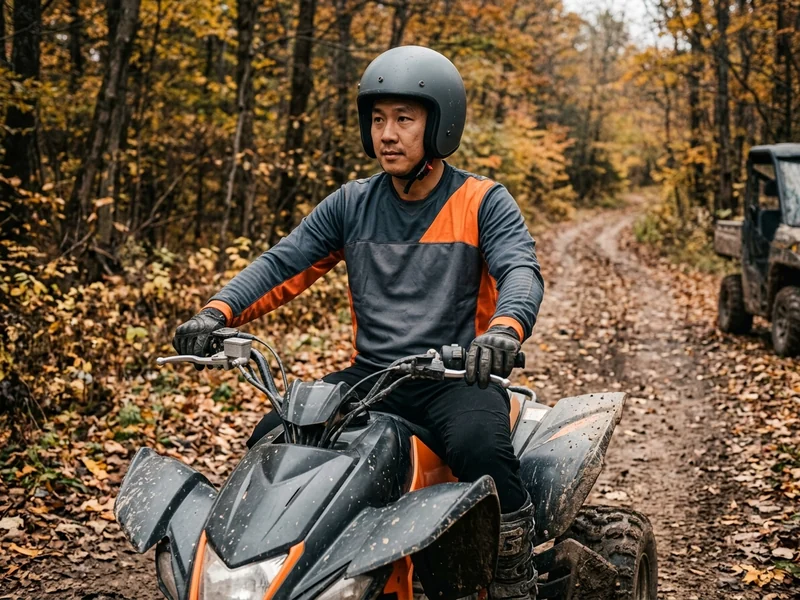
For cold weather, high speeds and seasonal off-road riding.
Four buyers, all ordering for riders in two genuinely different positions.
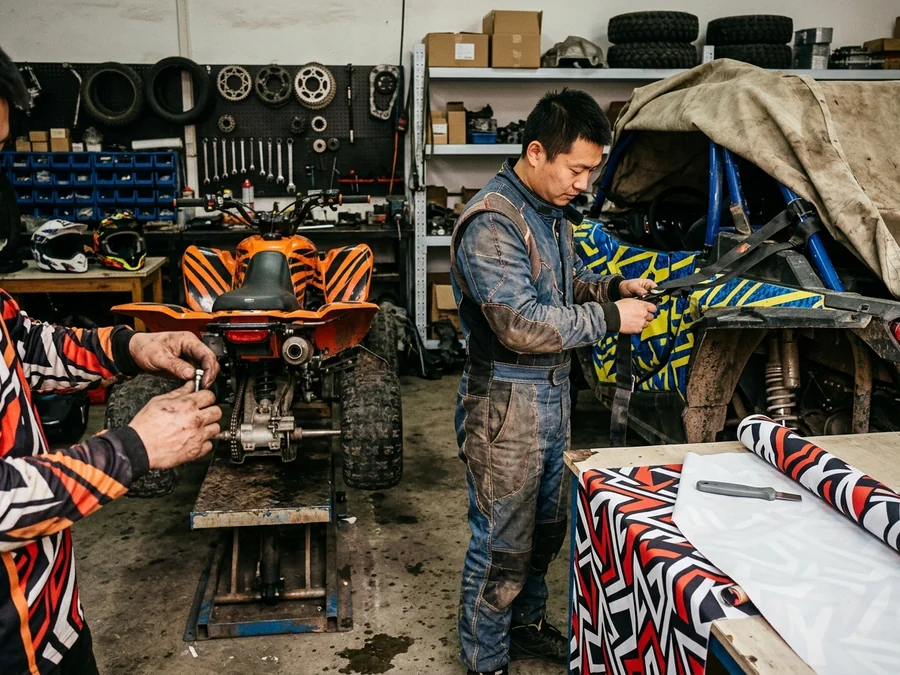
Run both classes in one team and need the kit to look identical while fitting two very different jobs.
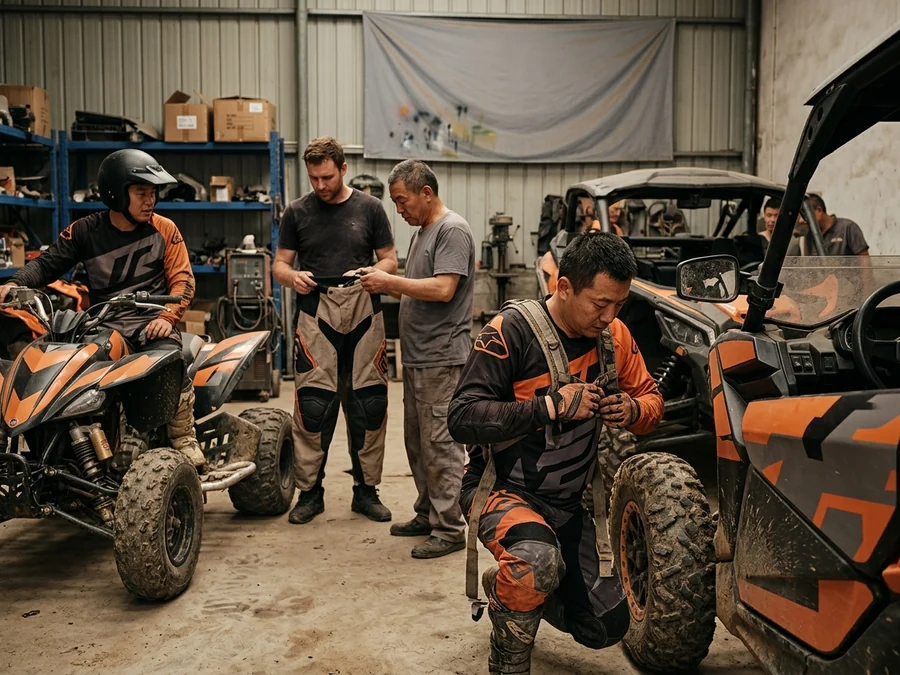
Order for members on quads and side-by-sides, often in the same run and on the same day.
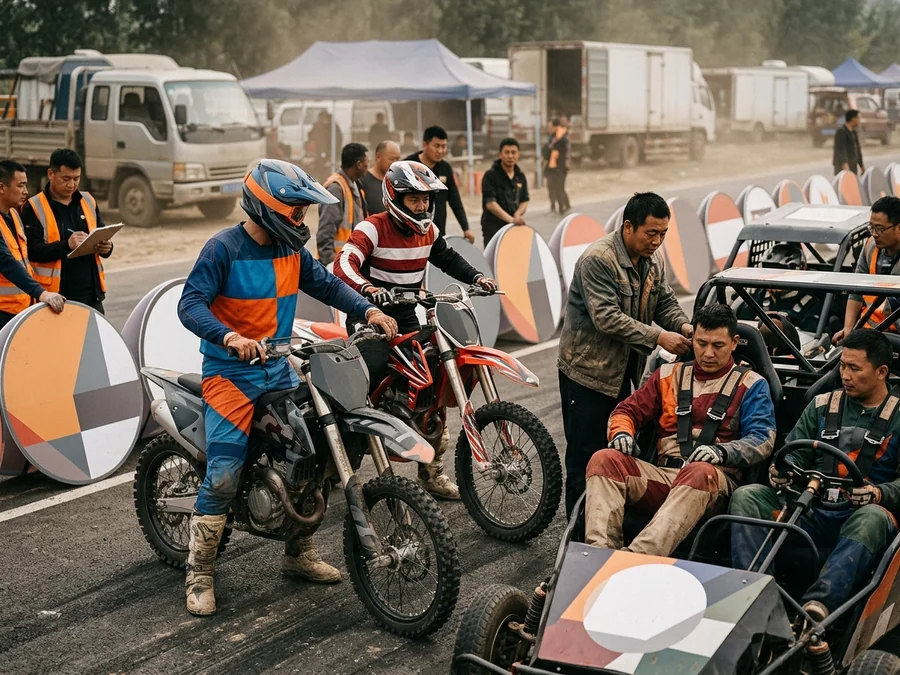
Need a run of consistent kit on a date, often with sponsor blocks that change per round.
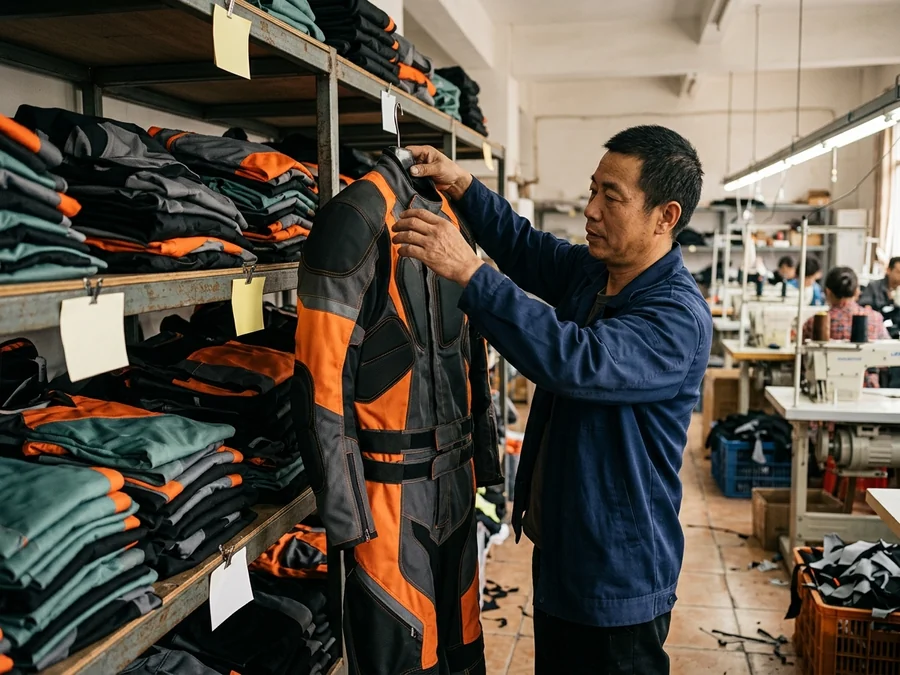
Stock branded kit for a customer base that is mostly not on two wheels at all.
Everything follows from where the hands are
A quad has wider bars than a dirt bike, and the rider sits further back with the elbows carried high and out. That puts the load across the shoulders and the upper arms, and it lengthens the back more than a motocross stance does.
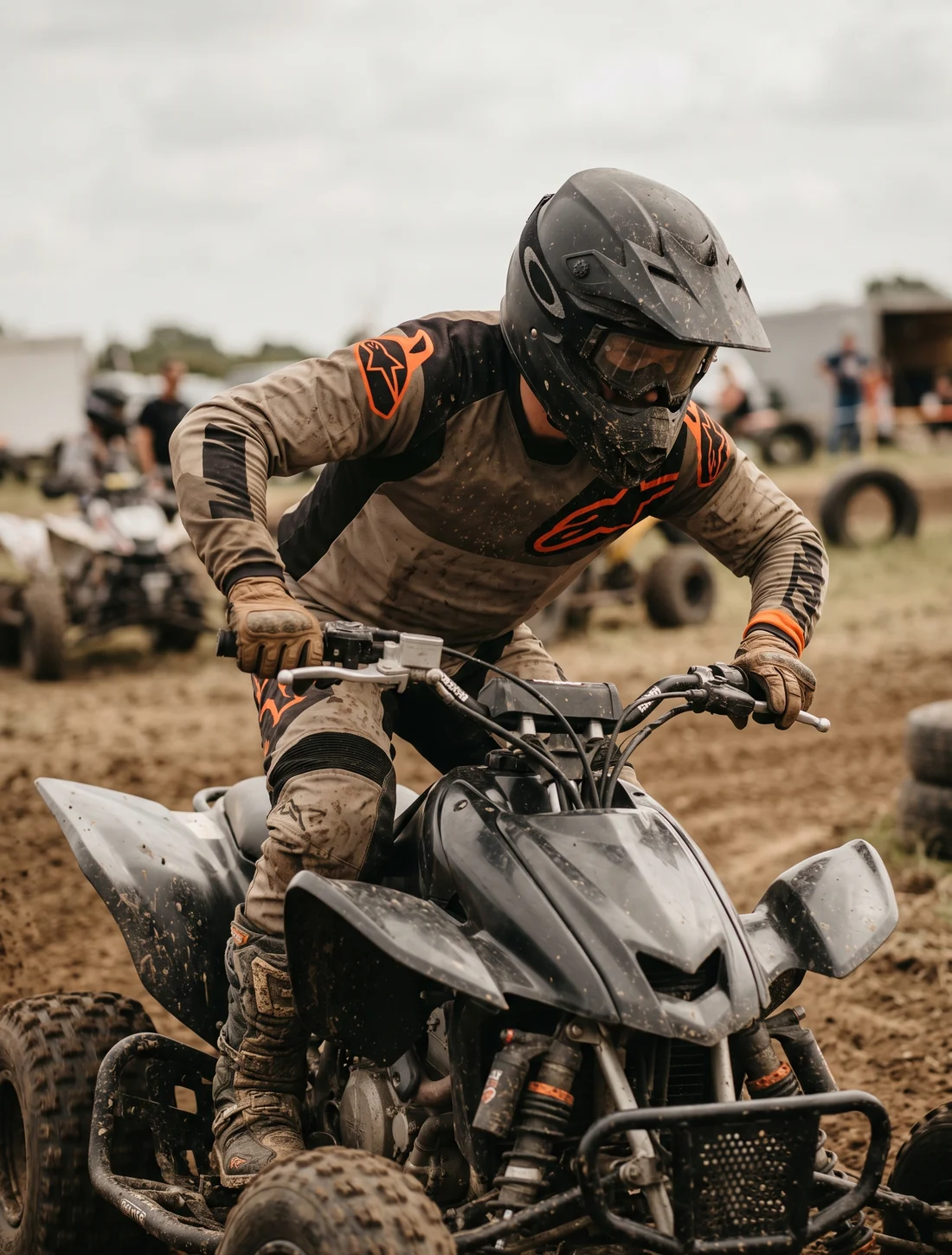
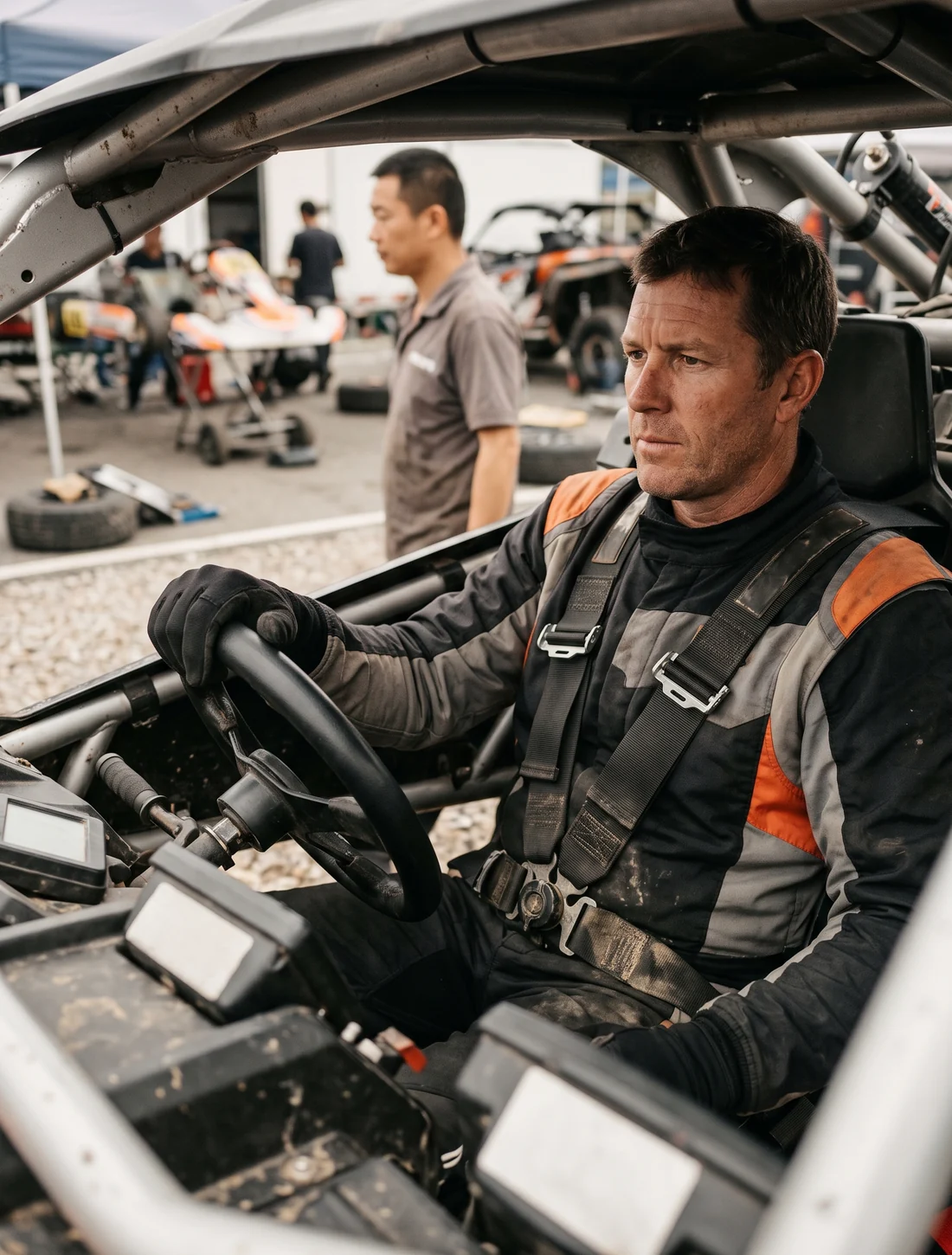
A cockpit garment has a completely different set of problems
A UTV driver is seated, belted and steering. The front of the jersey is shorter because it does not need to tuck under a forward lean, and a long front bunches against a lap belt.
Scroll: each side lights up where its own garment is loaded. Same fabric, same print, two patterns — and the difference is entirely in the second one.
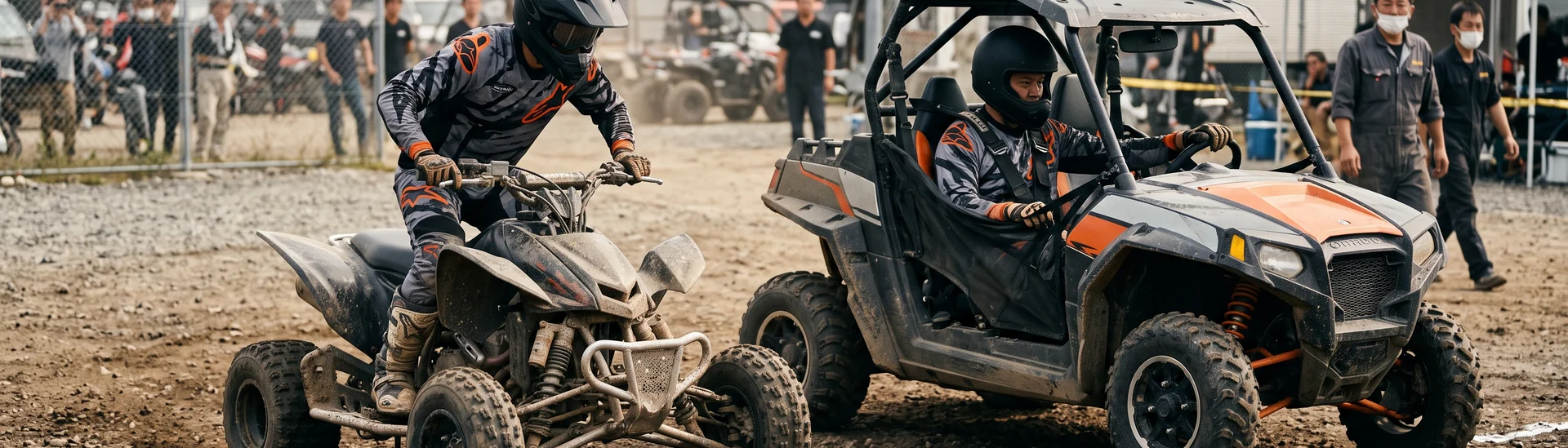
Most of this market sells one jersey to both of them, with different graphics on it.
Quad and side-by-side racing is often dusty rather than muddy — and dust is abrasive in a way mud is not.
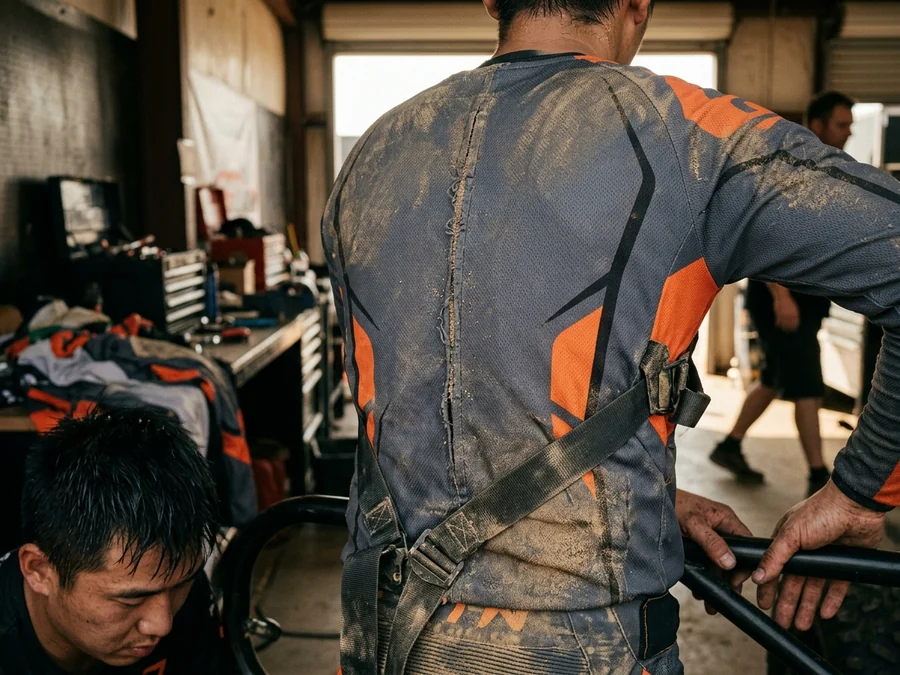
The garment moves against the seat on every input. The seams there are flat, low-profile and placed off the contact area.
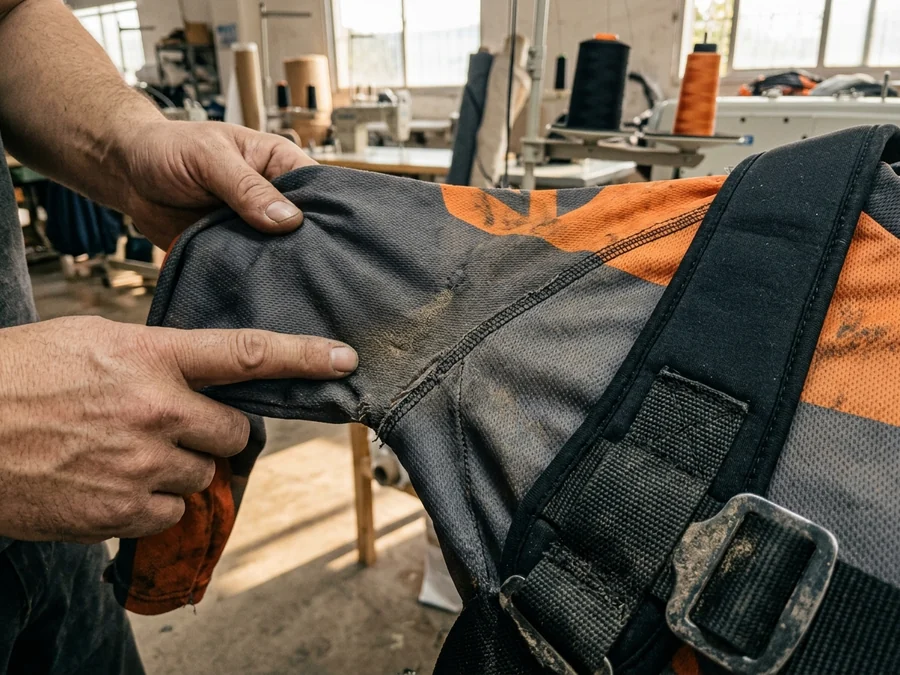
Dust works into the weave and then the belt works the dust. This is why nothing structural is allowed under that path.
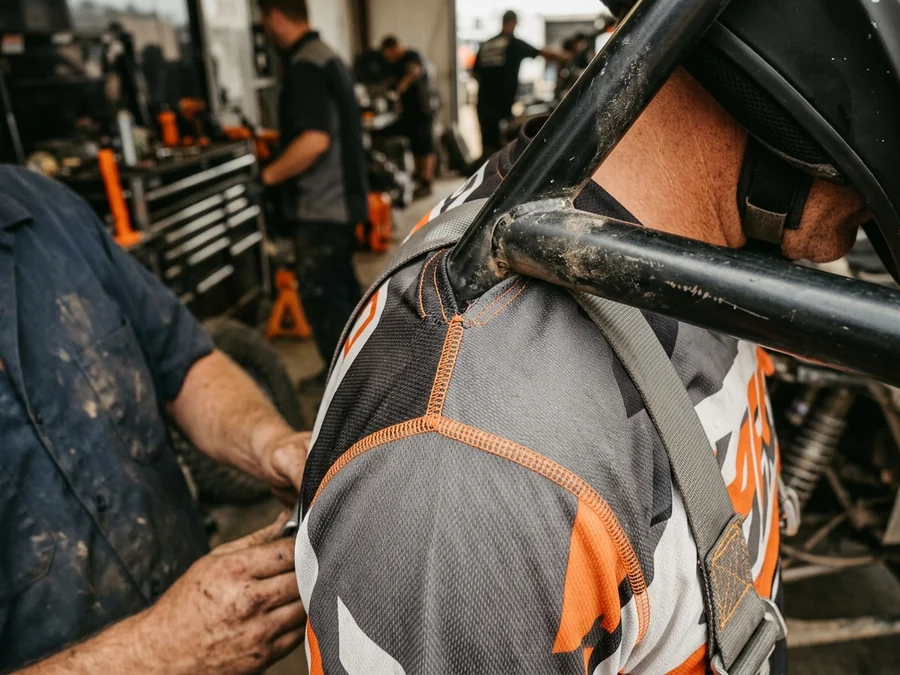
Shoulders touch a cage or a bar constantly. The answer is seam placement, not added weight — a heavier jersey is a hotter one.
A series kit is re-printed more often than a team kit, and the layout has to expect it rather than be surprised by it.
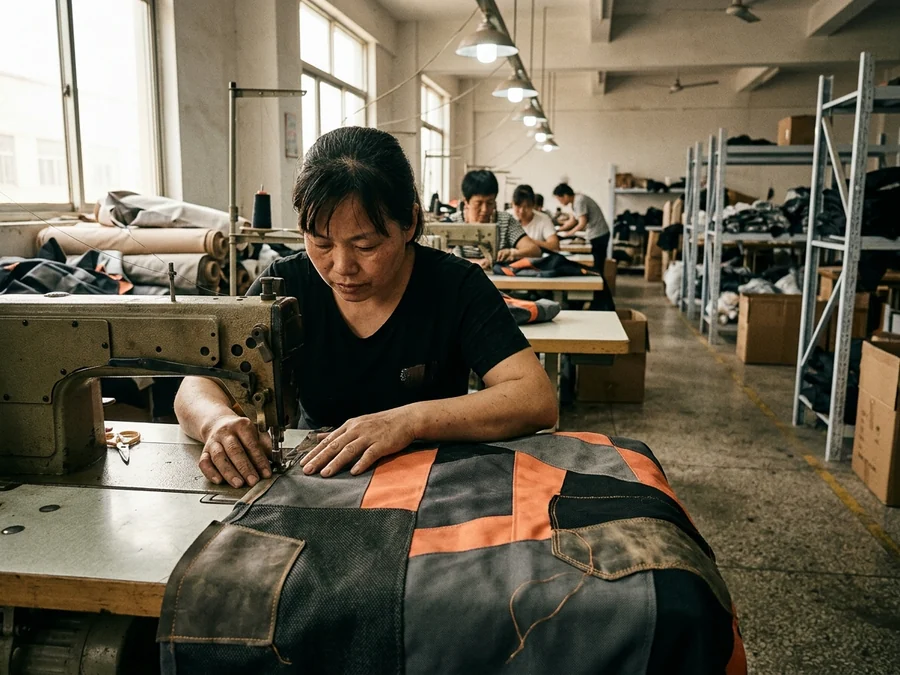
Sponsor areas are defined on the layout rather than baked across the panel, so a change is a new print from the same profile — not a redesign.
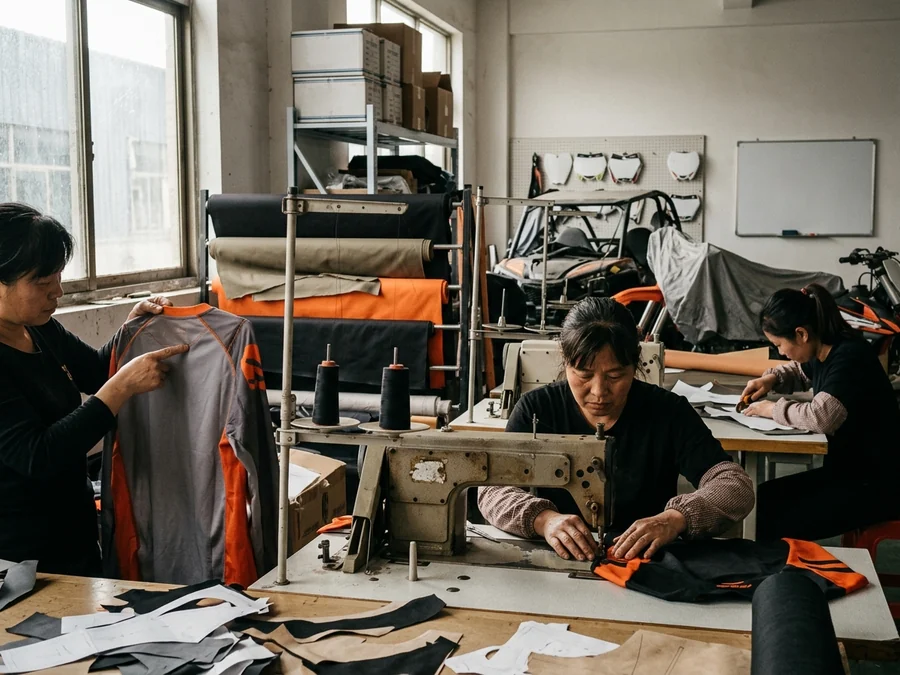
Positioned where they read from the outside of a berm and from a photographer's usual angle — which is not the same as where they look best flat.
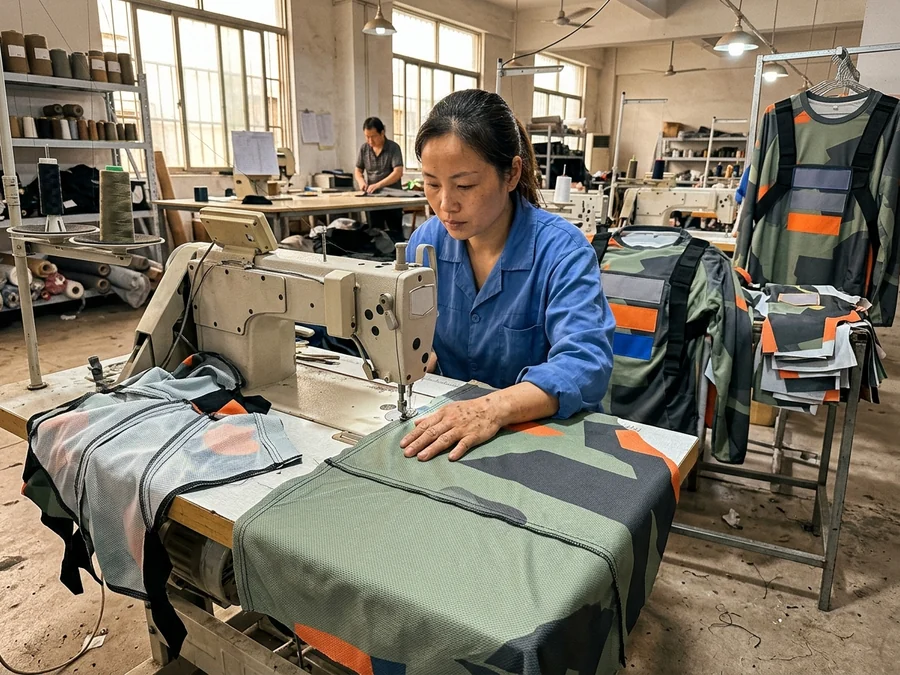
On the UTV cut, every zone is routed clear of the belt path — a heavy print under a harness is the same problem as a seam under one.
An ATV or UTV series often carries round-by-round sponsors in a way a motocross team usually does not, and a kit that cannot absorb a sponsor change without a redesign quietly becomes a kit that stops being updated. The sponsor who paid for round four ends up not appearing on anything, which is a commercial problem rather than a production one — and it traces directly back to a layout decision made before the first print.
A mixed-class team has two patterns in one order, and packing is where that goes wrong
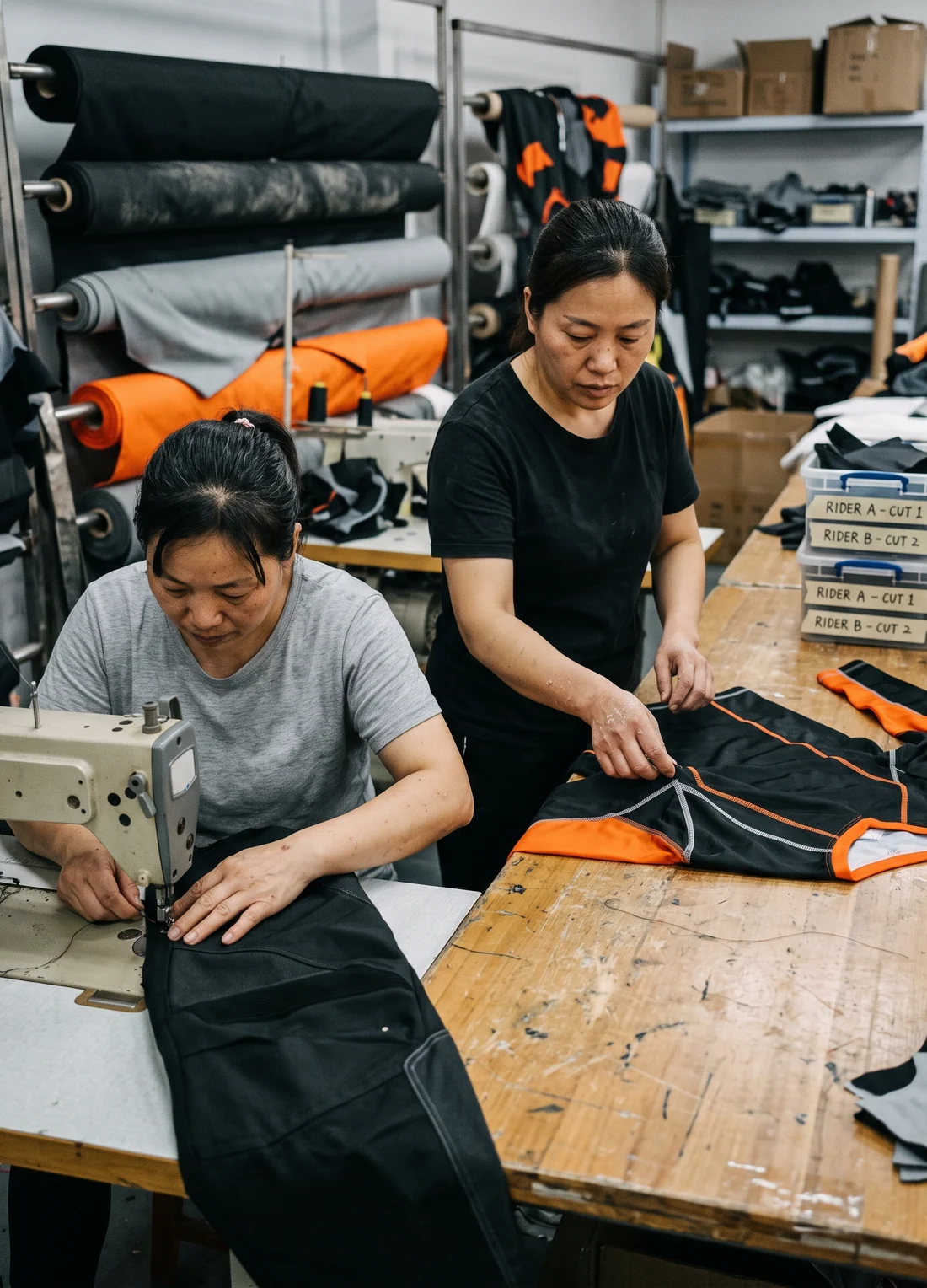
Both cuts are graded across the full size range, and a size-run set is tried on before bulk. For a team running both classes, the size sheet carries both cuts, and pieces are packed per rider with the cut noted.
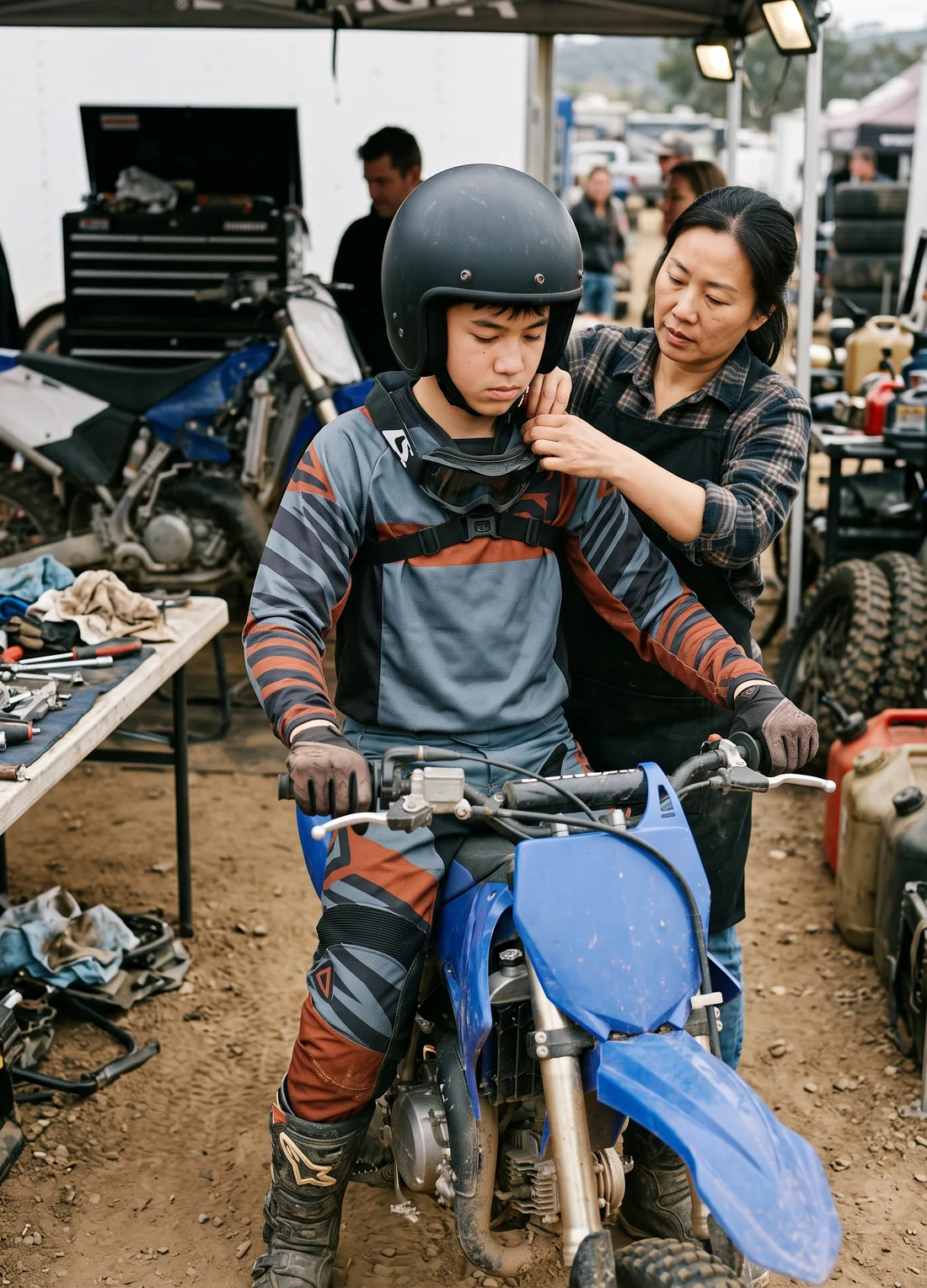
These classes are a real part of this market, and a scaled adult jersey is not the answer
Youth sizes are graded on the youth block, not scaled down from adult — for the same reason everything else on this site is: proportions change, not just measurements.
The strip, the layouts and the size sheet — the same four things that come with any sublimated kit here, except that the layout comes twice, once for each cut, with the shared profile name printed on both of them.
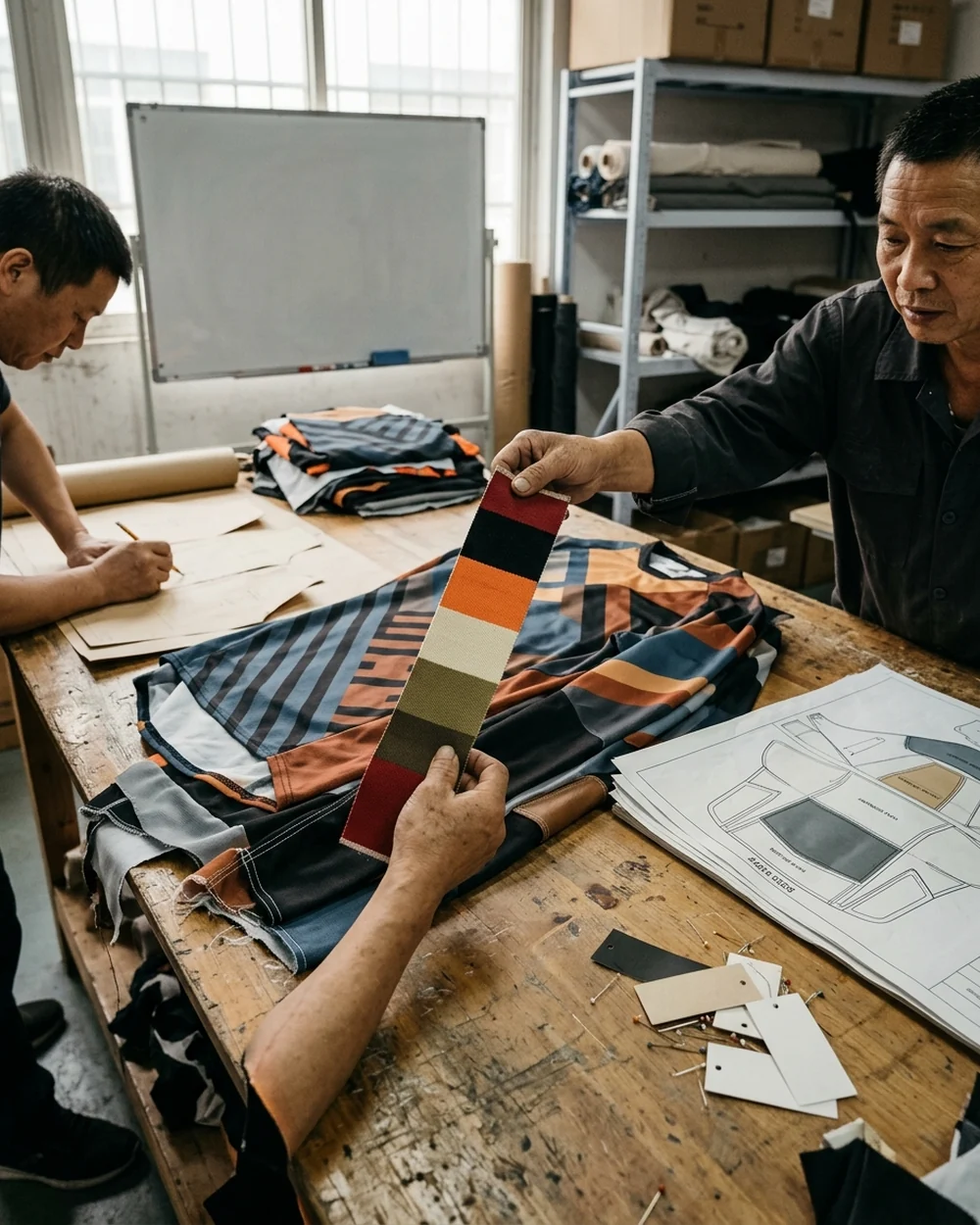
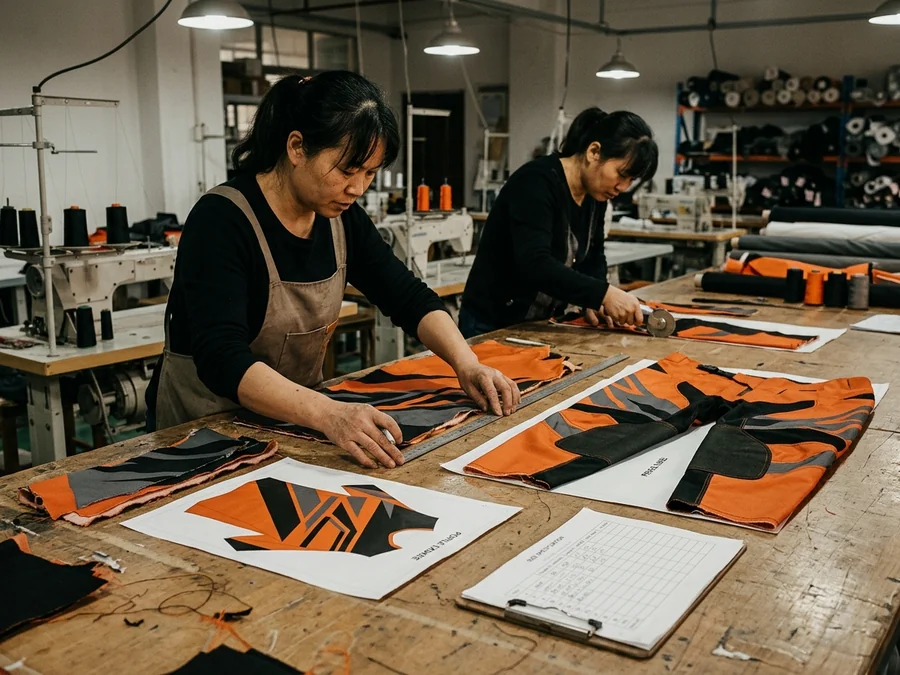
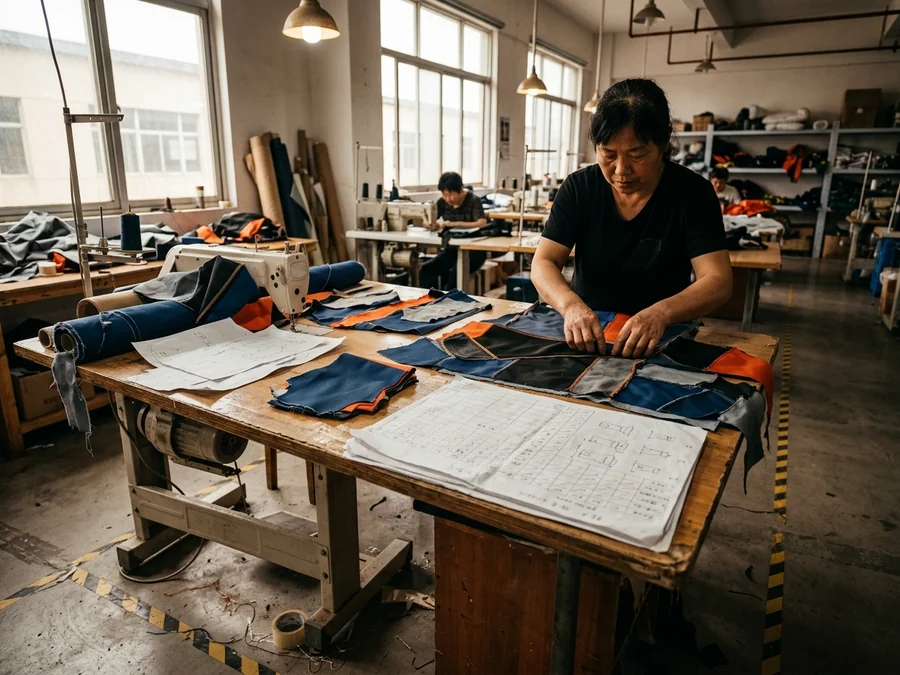
Send these six and Anna comes back within 24 hours on business days with the cuts and the sample route.
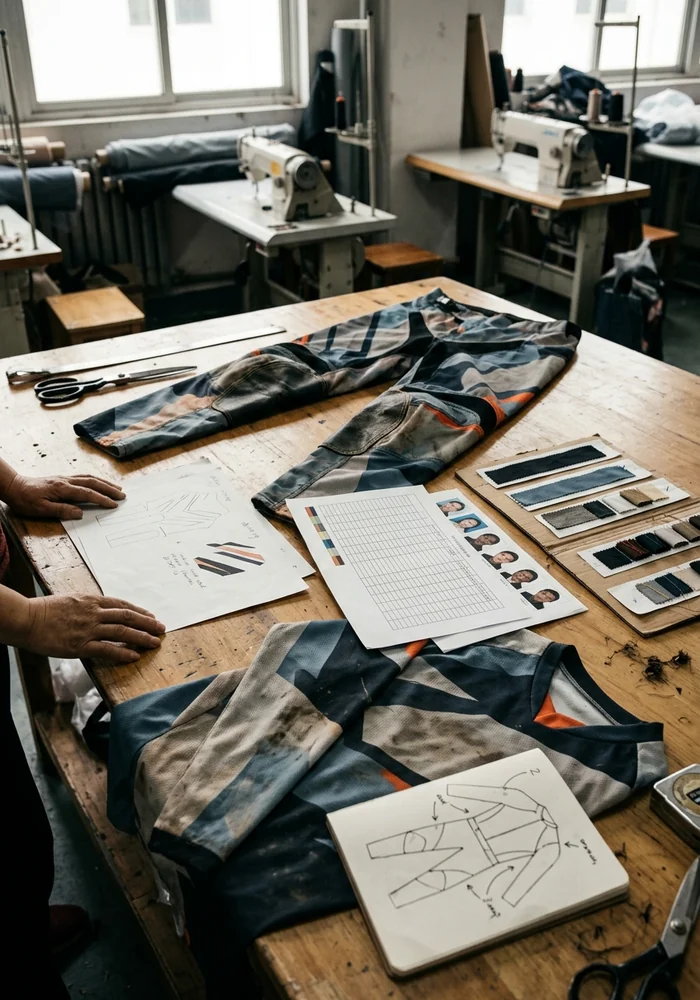
Where the print, the pattern and the rest of the team kit live — including the two-wheel cut this page keeps comparing itself to.
Anna replies within 24 hours on business days with which cut each rider's piece is built on, how the sponsor zones would be laid out, the sample route and the lead time to your date.